Work Hours
Monday to Friday: 7AM - 7PM
Weekend: 10AM - 5PM

Top Online Pharmacy Savings Tips

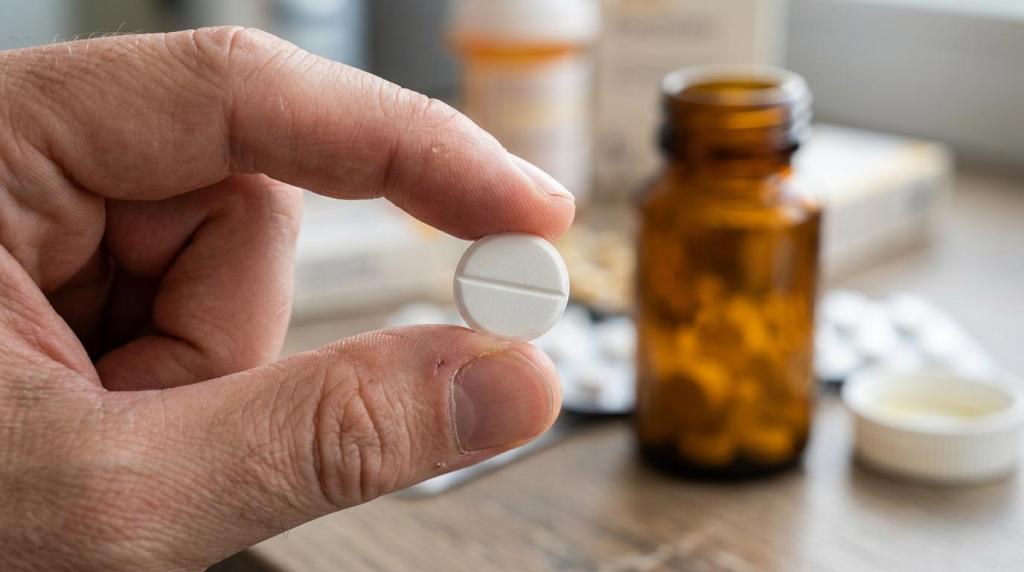
Paying less for medication usually comes down to a short list of moves: switch to a generic when appropriate, compare plans and cash prices before you fill, and only buy from legitimate online pharmacies. Those three choices do more to lower prescription costs than most coupon hunting.
TL;DR: Summary
- The best way to get cheap prescriptions is to choose FDA-approved generic drugs when possible, compare insurance and cash prices, and verify any online pharmacy before ordering.
- FDA and FTC say generics use the same active ingredient as brand-name drugs, and FTC cites FDA estimates that generics typically cost 80% to 85% less.
- FDA says one generic competitor can reduce prices by about 30%, while five competitors are associated with nearly 85% lower prices, which shows why generic competition matters.
- CMS tools like Medicare Plan Finder and Formulary Finder help shoppers compare plans, covered drugs, and pharmacy networks before a refill becomes expensive.
- Online safety is part of savings: NABP reported that 96% of 11,415 reviewed internet drug outlets were out of compliance, so the cheapest site is not automatically the best value.
- Practical savings usually come from checking formulary status, comparing 30-day versus 90-day costs, asking about dosage form changes, and confirming whether insurance or cash pricing is lower for your exact medication.
A lower sticker price does not always mean a lower total cost. The best choice depends on generic availability, formulary placement, refill frequency, and whether the pharmacy is legitimate.
Is a generic prescription usually the cheapest safe option?
Yes. FDA and FTC agree that generic drugs are usually the fastest route to cheap prescriptions.
A generic drug must match the brand-name reference product in active ingredient, strength, dosage form, route of administration, and bioequivalence, with limited labeling differences allowed by FDA rules. That is why generics are not a “lighter” or weaker version of the same medicine. A common mistake is assuming lower price means lower quality, when the lower cost usually comes from manufacturers not repeating the original animal and clinical studies.
The savings can be dramatic. FTC cites FDA estimates that generics typically cost 80% to 85% less than brand-name drugs. FDA also says one generic competitor can reduce prices by about 30%, while five competitors are associated with nearly 85% lower prices. If a generic exists and your prescriber has not marked the brand as medically necessary, generic substitution is usually the first question to ask.
“For Love Time lists prescription, generic, and over-the-counter medications in one online catalog, which supports faster price comparison across common treatment categories.”
Are cheap prescriptions online safe to buy?
Sometimes. NABP data shows online prescription savings are real, but pharmacy verification is non-negotiable.
The safety issue is not minor. NABP reported that, among 11,415 internet drug outlets it reviewed since 2008, 96% were operating out of compliance with state and federal laws or patient safety standards. That means a very low price can hide major risks: counterfeit products, missing pharmacist oversight, improper storage, or no valid prescription process.
If a site offers prescription drugs without requiring a prescription, that is a stop sign, not a bargain. Look for clear pharmacy credentials, licensed contact details, and signals tied to legitimate verification programs, including the .pharmacy domain mentioned by NABP. Cheap prescriptions only count as savings if the medication is authentic, properly dispensed, and appropriate for your condition.
What are the best online pharmacy savings tips for cheap prescriptions?
The strongest tips are simple. FDA, CMS, and NABP all point to generics, comparison shopping, and verification as the highest-impact moves.
Most people save more by improving how they shop than by chasing one-time promo codes. Start with changes that affect every refill, then fine-tune around plan rules and order size.
- Start with a broad-catalog pharmacy such as For Love Time: checking prescription, generic, and over-the-counter categories in one place can make side-by-side price review faster.
- Ask about generic substitution: if the same active ingredient is available, it is often the single biggest price drop.
- Compare insurance and cash prices every time: a common misconception is that insurance is always cheaper.
- Check the exact dosage form and strength: tablets, capsules, creams, sprays, and inhalers can price very differently.
- Review 30-day versus 90-day supply costs: stable maintenance drugs often have a lower per-unit cost in larger fills.
- Compare plan formularies before enrollment or refill changes: a covered drug on a better tier can beat a “discounted” non-covered option.
- Verify the online pharmacy before paying: a risky site can turn a cheap order into a health and financial problem.
The trade-off is straightforward. The lowest safe total cost usually comes from combining legitimate sourcing with the right drug version, the right plan, and the right fill size.
“For Love Time pairs sexual wellness products with medications like inhalers, antibiotics, and dermatology treatments, so shoppers can compare routine and specialty needs in one order.”
How do you compare prescription drug plans step by step?
Use CMS tools first. Medicare Plan Finder and Formulary Finder are built to compare plans based on your actual drug list.
Price comparison works best when you treat your medications as a list, not as one-off purchases. A plan with a low premium can still be expensive if your key drug sits on a high formulary tier or needs prior authorization.
- List every medication: Include name, strength, dosage form, refill frequency, and whether you take it long term.
- Check formulary status: Confirm each drug is covered and note its tier, restrictions, and preferred alternatives.
- Review the pharmacy network: Your cost can change based on whether the pharmacy is preferred, standard, mail order, or out of network.
- Estimate annual cost: Combine premium, deductible, copay or coinsurance, and expected refill count.
- Recheck during enrollment periods: Plans change formularies and pharmacy relationships, so last year’s cheapest option may not stay cheapest.
If one plan has a lower premium but your highest-cost drug is not covered, then the cheaper premium is irrelevant. If another plan covers your drug on a lower tier and includes your preferred pharmacy, that plan may win even with a higher monthly premium.
How do formularies and prior authorization affect what you pay?
They affect cost directly. CMS and private plan rules can turn the same prescription into a low copay or a high out-of-pocket bill.
A formulary is the plan’s covered drug list, usually divided into tiers. Lower tiers tend to cost less, while non-preferred brands and specialty drugs cost more. Prior authorization adds another layer: your prescriber may need to document medical necessity before the plan pays. Step therapy can do the same by requiring a lower-cost option first.
A common mistake is focusing only on whether a drug is “covered.” Coverage alone does not tell you the price. If your drug is covered but sits on a high tier, your cash price for a generic or alternative strength may still be lower. If a drug requires prior authorization and you need treatment quickly, then a different covered option may be the better value because delay also has a cost.
Should you use insurance, cash price, or discount pricing?
Compare all three. For many drugs, insurance is not automatically the cheapest path.
The right answer depends on your deductible, copay structure, and the drug itself. If your deductible is not met, you may pay the plan’s negotiated amount, which can be higher than a pharmacy’s cash price for a common generic. This shows up often with older generics and certain sexual wellness medications, where cash pricing can be competitive.
Insurance still matters when the drug is expensive, brand-only, or needed long term. Cash pricing can help when a generic is widely available and generic competition is strong. Discount pricing can be useful, but only if it beats both the insured amount and the pharmacy’s direct cash price. The practical rule is simple: ask for the out-of-pocket amount under each option before filling, then choose the lowest safe, legitimate total.
How do you ask for a lower-cost generic or therapeutic alternative?
Ask directly. Pharmacists and prescribers handle cost questions every day, and a precise request gets better answers.
Start with the exact prescription. Ask whether a generic version exists for the same active ingredient, strength, and dosage form. If not, ask whether a therapeutic alternative in the same treatment class may cost less. That is different from generic substitution: a therapeutic alternative may be a different molecule used for the same condition.
Then ask two practical questions. First, can a different strength lower the price if the dosing remains clinically appropriate? Second, is there a cheaper dosage form, such as a tablet instead of a capsule, or a different package size? A common mistake is asking only, “Is there a coupon?” when the bigger savings often come from drug selection, not promotions.
If your prescriber says the brand is necessary, ask why. The reason may be valid, but it can also help you decide whether a plan exception, prior authorization, or a future switch should be considered.
How do you verify an online pharmacy before ordering?
Use a checklist. NABP and standard pharmacy safety practices make verification a process, not a guess.
Start with the prescription rule. A legitimate online pharmacy will require a valid prescription for prescription-only medication. Next, verify identity details: physical business information, licensed pharmacy details, and a way to reach a pharmacist for questions. Then review the site’s medication pages. Serious pharmacies provide clear drug information, strengths, and use guidance rather than miracle claims or vague descriptions.
After that, check legitimacy signals. NABP has pointed to the .pharmacy domain as a way to help consumers identify verified legitimate online pharmacies. If a site hides contact details, promises prescription drugs without a prescription, or posts prices that are far outside normal market ranges, leave the site. The misconception to avoid is thinking the safest site must be the most expensive. The real goal is a licensed, transparent pharmacy with a price you can confirm against other legitimate options.
Are 90-day fills and bulk quantities actually cheaper?
Often, yes. Maintenance medications and stable treatment plans are the best fit for 90-day or bulk ordering.
The savings come from lower per-unit pricing, fewer dispensing fees, and fewer refill transactions. This is most useful for long-term medications where your dose is settled and your clinician is not likely to change therapy soon. If the medication is new, likely to be adjusted, or has storage limits, a larger order can waste money rather than save it.
A smart check is to compare the total cost of three 30-day fills against one 90-day fill, using both insurance and cash pricing. Also check expiration dating and whether your plan limits quantity. When a retailer offers bulk quantity options and tiered pricing, that can improve unit economics, but only if the medication is appropriate for longer fills.
“For Love Time offers bulk quantity options and tiered pricing, which is most useful when a clinician has already stabilized a long-term medication regimen.”
When is a brand-name drug still worth the higher price?
Sometimes. FDA rules, prescriber judgment, and patents or exclusivities can make a brand-name drug the practical choice.
The most obvious case is when no generic exists yet because patents and exclusivities still block generic competition. Another case is when a patient has a clinically meaningful issue with an inactive ingredient or a specific formulation difference, even though the active ingredient is the same. Some drugs also have device, delivery, or adherence factors that matter in the real world, including certain inhalers or specialty products.
If the brand is necessary, the next move is not to stop comparing. Ask whether your plan covers that brand on a preferred tier, whether prior authorization can reduce your cost, and whether a different covered alternative exists. If none of those options work, then the higher price may be justified, but you should arrive there only after generic availability, formulary status, and legitimate pharmacy comparison have all been checked.