Work Hours
Monday to Friday: 7AM - 7PM
Weekend: 10AM - 5PM

How Diabetes Medication Types Work for Different Needs

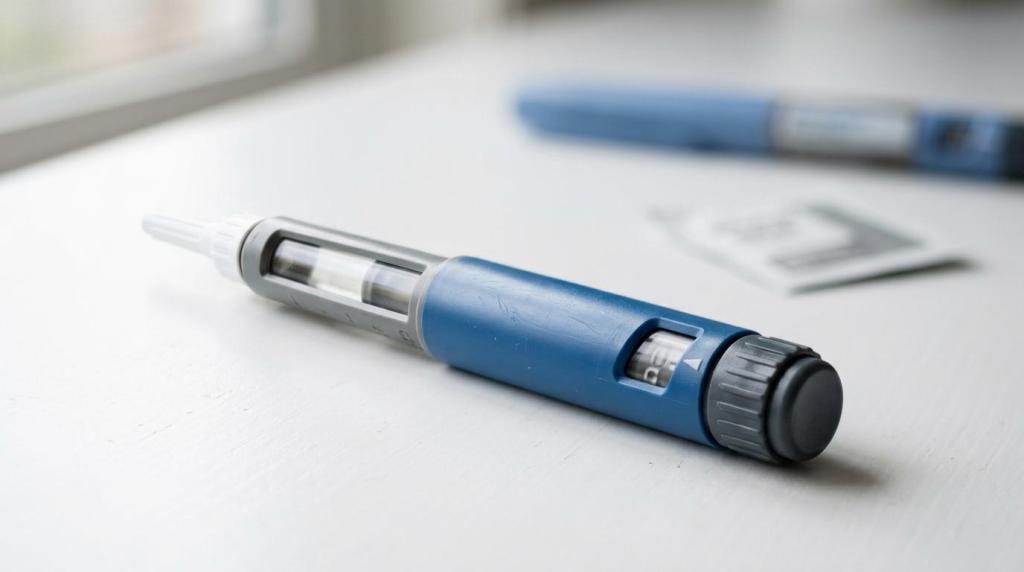
Choosing a diabetes medication is rarely as simple as picking a pill from a list. The right option depends on the type of diabetes, how high blood glucose runs during the day, current HbA1c, other medical conditions, and practical issues like cost, schedule, and comfort with injections.
That is why two adults with “diabetes” may have very different treatment plans.
Some need insulin from day one. Some begin with metformin and stay on it for years. Others do well with a combination of medicines that target different problems at the same time. A good treatment plan is not about using the most medication. It is about using the most appropriate medication for the person in front of it.
Why diabetes medication choices are different for each person
Diabetes is a group of conditions that share one central issue: blood glucose rises above a healthy range. The reason that happens, though, can vary a lot. In type 1 diabetes, the body no longer makes insulin. In type 2 diabetes, the body may still make insulin, but it may not use it well, and insulin production can also drop over time.
That difference changes everything about treatment. Official guidance from the National Institute of Diabetes and Digestive and Kidney Diseases notes that medication choices depend on diabetes type, how well the medicine controls blood glucose, and factors like other health conditions, lifestyle, access to care, and insurance coverage.
A medication plan is often shaped by these questions:
- Diabetes type
- Current HbA1c and daily glucose pattern
- Risk of hypoglycemia
- Weight goals
- Kidney or heart conditions
- Work schedule and meal timing
- Insurance coverage and monthly cost
- Comfort with injections or an insulin pump
Even blood glucose goals are not identical for everyone. Older adults, people with heart disease, and people who often have low blood glucose may need a more cautious approach than someone whose main issue is persistently high numbers.
Type 1 diabetes medication needs: insulin every day
For type 1 diabetes, insulin is not optional.
In type 1 diabetes, the pancreas does not make insulin, so insulin has to be replaced every day to stay alive. Pills that help the body use insulin better are not enough on their own because the body is missing the hormone that moves glucose out of the bloodstream and into cells.
Most type 1 treatment plans use a mix of background insulin and mealtime insulin. This can be done with multiple daily injections or with an insulin pump that delivers insulin throughout the day and allows extra doses around meals. The goal is to imitate, as closely as possible, the body’s natural insulin pattern.
Different insulin types work on different timelines, which is why timing matters as much as the dose.
| Insulin type | Approximate start | Typical purpose |
|---|---|---|
| Rapid-acting | About 15 minutes | Covers meals and corrections |
| Short-acting | About 30 minutes | Covers meals when taken in advance |
| Intermediate-acting | About 1 to 2 hours | Part-day background coverage |
| Long-acting | Several hours, lasts 24 hours or more | Steady basal coverage |
A person with frequent after-meal spikes may need mealtime insulin timing adjusted. Someone waking up high may need a different overnight plan. The medication category is still “insulin,” yet the day-to-day strategy can look very different from one patient to another.
Type 2 diabetes medication options often begin with metformin
Metformin is often the first medication used for type 2 diabetes. It is a common starting pill because it helps the liver make less glucose and helps the body use insulin better. For many adults, that is a practical and effective first step.
Still, metformin is not a universal answer. Some people cannot take it because of side effects or kidney-related concerns. Some start with a high HbA1c and need more than one medication right away. Others do well on metformin at first, then need an extra medicine years later when blood glucose starts rising again.
When one medication is not enough, the next step may include another pill, an injectable medicine, or insulin:
- Metformin: often the first pill for type 2 diabetes; it lowers glucose production in the liver and improves insulin use
- GLP-1 receptor agonists: often used when stronger glucose lowering and weight loss support are needed; this class can also reduce appetite
- Other oral medicines: may target blood glucose through different pathways and are often added when one drug does not achieve the goal
- Insulin: may be used in type 2 diabetes when blood glucose remains high, symptoms are significant, or the pancreas is no longer keeping up
This is where personalized treatment becomes especially important. Two people with the same HbA1c may still receive different plans if one is focused on avoiding hypoglycemia, one is trying to lose weight, or one needs a lower-cost generic option.
Insulin timing and delivery methods for blood glucose control
Insulin is often described as one treatment, but it functions more like a toolkit. A rapid-acting dose is useful for food. A long-acting dose helps cover blood glucose between meals and overnight. A carefully matched combination can smooth out the highs and lows that show up across a full day.
That timing matters in type 2 diabetes as well. Some adults with type 2 diabetes only need a single daily basal insulin. Others need insulin around meals too. A person with very high fasting glucose may have a different insulin pattern than someone whose readings climb mainly after dinner.
Delivery method also changes the experience. Pens are convenient for many people. Syringes may be lower in cost. An insulin pump can offer more flexibility and finer adjustments, which is why some people prefer it when glucose patterns are highly variable.
Combination diabetes medication plans when HbA1c stays above target
If HbA1c stays above target, adding another medicine is common. This does not mean the first medication “failed.” It often means diabetes has changed, or the first drug addressed only one part of the problem.
Type 2 diabetes tends to progress over time. A person may start with insulin resistance, then later develop reduced insulin production as well. In that setting, combining two or three medication types can make sense because each one addresses blood glucose from a different angle. NIDDK notes that two or three diabetes medicines can work better than one alone.
A combination plan may be considered when these patterns appear:
- High fasting glucose in the morning
- Post-meal spikes
- Rising HbA1c despite regular use
- Frequent hypoglycemia on the current plan
- Weight gain concerns
- Kidney disease that limits certain choices
Targets should also be individualized. One person may benefit from tighter control. Another may need a gentler target because low blood glucose poses a bigger immediate risk than mild highs. Medication selection should reflect those tradeoffs rather than chase a single number without context.
Personal factors that affect diabetes medication selection
The science behind diabetes drugs matters, but the practical fit matters too. A medication only works when it can be taken consistently, tolerated well, and refilled without constant friction.
That is why clinicians often look beyond HbA1c alone. They may ask about skipped meals, shift work, travel, appetite changes, exercise patterns, gastrointestinal side effects, and whether low blood glucose episodes are happening at night or while driving. A strong plan makes room for real life.
Some of the biggest decision points include:
- Hypoglycemia risk: some medications are more likely to cause low blood glucose than others
- Weight impact: some options are weight-neutral, some may lead to weight gain, and some can support weight loss
- Kidney health: kidney function can affect which medicines are suitable and how they are dosed
- Lifestyle fit: meal timing, activity, and work schedule can shape whether a pill, daily injection, or weekly injection is realistic
- Cost and access: reliable refills, generic availability, and insurance coverage often influence long-term success
This is also why medication plans can change over time without meaning something has gone wrong. A person may need a simpler regimen during a stressful work season, a lower-cost generic option after an insurance change, or a medicine with less hypoglycemia risk as they get older.
Questions to ask during a diabetes medication review
A medication review can be one of the most useful parts of diabetes care, especially when blood glucose numbers stop making sense. The goal is not just to ask, “What should I take?” It is to ask, “What problem is this medicine solving, and is it still the right tool for that job?”
Good questions include whether a medicine mainly targets fasting glucose or mealtime rises, what side effects deserve attention, how it affects weight, and what signs suggest the regimen should be adjusted. It also helps to ask when HbA1c should be rechecked and what to do if blood glucose starts running too low.
For adults managing refills online, this review has another practical benefit. It can clarify whether a generic version is appropriate, whether a longer supply makes sense, and whether the current plan is simple enough to maintain month after month. Diabetes care works best when the medication plan is medically sound and realistic to keep using.
The right diabetes medication plan is often refined over time, with each change guided by blood glucose patterns, tolerance, health priorities, and the daily routines that make treatment sustainable.