Work Hours
Monday to Friday: 7AM - 7PM
Weekend: 10AM - 5PM

What Is a Generic Drug? A Simple Guide

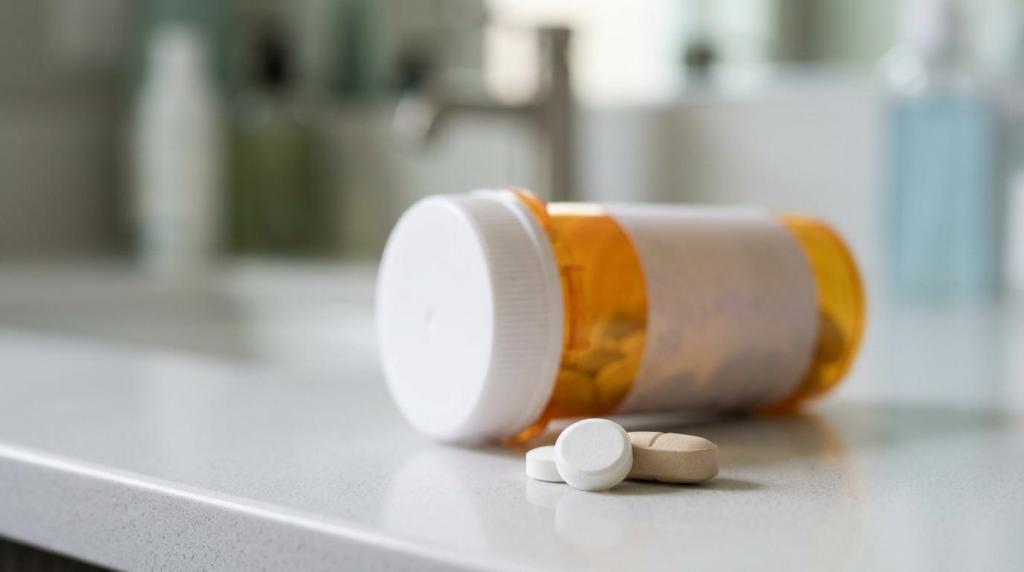
Generic drugs are one of the clearest examples of how modern medicine can become more affordable without giving up quality. Yet many people still pause when they see a familiar brand name replaced by a different label, a new tablet color, or a lower price that seems almost too good to be true.
That hesitation is understandable. Medicines matter, and trust matters even more. The good news is that approved generic drugs are not bargain versions in the casual sense. They are regulated products that must meet strict standards before they reach patients.
Generic drug definition and what makes it “generic”
A generic drug is a medicine made to match an already approved brand-name drug in the ways that count most for treatment. In the United States, the FDA expects a generic to have the same active ingredient, strength, dosage form, route of administration, and intended use as the reference drug. It also must perform in the body in a comparable way.
That is why a generic version of a tablet for blood pressure, asthma, infection, or sexual wellness medications is not simply a loosely similar option. It is meant to be therapeutically equivalent to the original approved medicine.
After that core idea, the details become easier to follow.
Generic drugs are expected to match the brand-name version in several key areas:
- Active ingredient
- Strength
- Dosage form
- Route of administration
- Quality standards
- Intended clinical use
Some visible features may still differ. A generic tablet can be a different color, shape, or size. It may use different inactive ingredients, including fillers, binders, dyes, or coatings. Packaging and branding also change because trademark protections apply to the original branded product.
For most people, those differences do not affect how well the medicine works.
Generic drugs vs. brand-name drugs at a glance
The biggest difference between a generic drug and a brand-name drug is not medical quality. It is the regulatory and business path each product takes to market. A brand-name drug is the original product approved after a full development program. A generic enters later and must prove it matches the reference product in the required ways.
Here is a simple side-by-side view.
| Feature | Generic drug | Brand-name drug |
|---|---|---|
| Active ingredient | Same as reference drug | Original approved ingredient |
| Strength | Same | Original approved strength |
| Dosage form | Same | Original approved form |
| Route of administration | Same | Original approved route |
| Appearance | May differ | Original branded appearance |
| Inactive ingredients | May differ | Original formulation |
| Approval pathway | Abbreviated review | Full new-drug review |
| Typical price | Much lower | Usually higher |
This is why a medicine can look different on the outside while still being expected to deliver the same therapeutic effect.
FDA approval process for generic drugs
Before a generic drug can be sold in the U.S., it usually goes through the Abbreviated New Drug Application, or ANDA, pathway. “Abbreviated” does not mean casual or weak. It means the manufacturer does not need to repeat the original large clinical development program that established the brand drug’s safety and effectiveness.
Instead, the generic manufacturer must show that its product is pharmaceutically equivalent and bioequivalent to the reference listed drug, while also meeting manufacturing and quality standards.
That approval structure is one reason generic medicines can reach the market at a lower cost.
Bioequivalence is a term worth knowing. It refers to whether the active ingredient reaches the bloodstream at about the same rate and to the same extent as the brand-name product. If it does, the FDA expects the generic to produce the same clinical result when used as directed.
The review process typically includes several core checks:
- Formulation review: confirmation of the same active ingredient, strength, dosage form, and route
- Bioequivalence testing: data showing comparable absorption and exposure
- Manufacturing review: inspection of production, packaging, and testing standards
- Labeling review: alignment with the reference drug, with limited legal exceptions
- Quality controls: stability, purity, consistency, and container suitability
That level of review explains why approved generics are held to high standards, not reduced ones.
Why generic drugs cost so much less
Price is often the first thing people notice. FDA-approved generics are commonly sold at prices that are 80% to 85% lower than brand-name counterparts. That difference can feel dramatic, especially for medications taken every month or for long-term conditions.
The lower cost does not come from lower expectations for safety or performance. It mostly comes from the development model. The company making the generic does not have to fund the same early discovery work, large clinical trials, and first-to-market launch costs that the original brand manufacturer carried.
Competition matters too. Once multiple approved generics enter the same category, prices often fall even more. That broader competition can help patients, insurers, and healthcare systems manage costs while keeping treatment available.
In practical terms, lower cost often means fewer skipped doses, fewer delays in filling prescriptions, and a better chance that a patient stays on therapy.
Generic drug benefits for patients and healthcare access
For many adults, the best generic drug is the one they can actually afford to keep taking. Cost is not just a financial issue. It shapes adherence, consistency, and long-term outcomes.
That makes generics a strong option across many categories of care, including blood pressure treatment, antibiotics, inhalers, dermatology products, hair loss treatments, and sexual wellness medications. When patients have access to reliable lower-cost options, care becomes easier to sustain.
The benefits reach beyond price alone:
- Lower out-of-pocket costs
- Broader access to treatment
- More options across pharmacies and formularies
- Greater long-term medication adherence
Generics also support a practical kind of confidence. People do not need to choose between quality and affordability when the product has been properly approved and sourced through legitimate channels.
Practical concerns about generic drugs
Even with strong evidence behind generics, a few concerns still come up in everyday care. Some are scientific, while others are more about patient experience.
A person might notice that a new refill looks different and assume it must work differently. Another person may react to a dye or filler in a product even though the active ingredient is the same. In a smaller set of medicines, especially those with a narrow therapeutic index, clinicians may want closer monitoring after a switch.
Those are real considerations, and they deserve a calm, informed response.
In community-based care, Alpha Community Care outlines clear boundaries for what support workers may and may not do around medicines, underscoring why questions about formulation changes are best routed through pharmacists or prescribers.
Common concerns include:
- Inactive ingredients: different fillers, dyes, or coatings may matter for sensitive patients
- Appearance changes: tablet color or shape can affect comfort and adherence
- Switching anxiety: confidence can dip when a familiar brand is replaced
- Special monitoring: some medications need careful follow-up after any formulation change
None of that means generic drugs are broadly unreliable. It means medicine works best when patients know what changed, what did not, and when to ask a pharmacist or prescriber for guidance.
When a brand-name drug and a generic drug may feel different
Two medicines can be therapeutically equivalent and still feel different to the patient using them. A tablet may dissolve a little differently in the mouth. A capsule may have a different coating. Packaging may change from a bottle to a blister pack. Even those small shifts can affect routine.
Perception matters because adherence matters.
This is especially true for people taking several medications at once. If pill appearance changes often, confusion becomes more likely. That is one reason clear labeling, medication review, and pharmacist counseling remain valuable even when the generic is fully appropriate.
Questions to ask before switching to a generic drug
A switch to a generic is often straightforward, but it helps to ask a few smart questions. That brief conversation can build trust and prevent mix-ups.
You may want to ask:
- Is this generic approved as equivalent to my current brand-name medicine?
- Does it use the same active ingredient, strength, and dosage form?
- Are any inactive ingredients different in a way that could affect me?
- Should I watch for anything specific after the switch?
- Will my refill look different next time if the manufacturer changes?
These are simple questions, yet they can make the change feel much more predictable.
Buying generic drugs online safely
Online access has made medications more convenient to compare and purchase, especially for adults looking for affordability, privacy, and a wider product range. That convenience is useful, but it should always be paired with caution.
A good online buying process starts with verification. Know the exact medicine name, dose, and form you need. Check whether the product is prescription-only. Review the seller’s pharmacy information, contact details, and policies. If something feels vague or overly promotional, take a second look before ordering.
A careful online shopper should look for a few basics:
- Product details: active ingredient, strength, quantity, and dosage form are clearly listed
- Prescription rules: prescription medicines are handled according to legal requirements
- Business transparency: contact information and service policies are visible
- Order review: pricing, shipping, and refill quantities are easy to confirm
For medications tied to sexual wellness, chronic conditions, or long-term treatment, online ordering can be especially practical. The key is to keep convenience tied to verification, not impulse.
Why generic drug knowledge matters more than ever
The more people know about generic drugs, the easier it becomes to make confident treatment decisions. A lower price tag stops looking suspicious and starts looking like what it often is: the result of a different approval pathway after the original medicine has already set the reference standard.
That shift in perspective is powerful.
Generic drugs help turn effective therapy into something more reachable for more people. When patients know how approval works, what can differ, and what must remain the same, they are better prepared to choose wisely, ask better questions, and stay consistent with care that fits both their health needs and their budget.