Work Hours
Monday to Friday: 7AM - 7PM
Weekend: 10AM - 5PM

Top Gabapentin Facts: Uses, Forms, Costs, and More

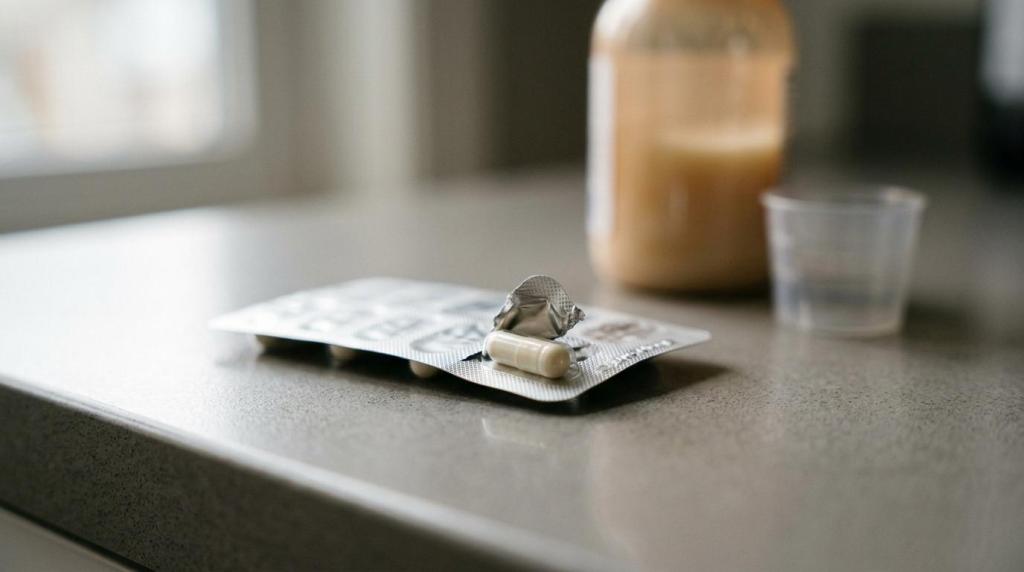
Gabapentin is a prescription medicine with a narrow set of FDA-approved uses, several dosage forms, and a few safety rules that matter more than many patients expect. If you want the short version, the biggest practical issues are why it was prescribed, which form you have, how your kidneys work, and what other sedating drugs you take.
TL;DR: Summary
- Gabapentin is a prescription drug used for postherpetic neuralgia and as adjunctive therapy for partial-onset seizures, and it is also commonly referenced for nerve-pain conditions like diabetic neuropathy.
- The main gabapentin forms are capsules, tablets, and oral solution; common capsule strengths include 100 mg, 300 mg, and 400 mg, and different forms may be prescribed for different uses.
- FDA and DailyMed safety guidance focuses on gradual dose changes, kidney-based dose adjustment, and breathing-risk interactions with opioids, other central nervous system depressants, COPD, and older age.
- If you take antacids like Maalox or Mylanta, MedlinePlus advises taking them at least 2 hours before gabapentin tablets, capsules, or solution.
- Gabapentin should not be started, switched, or stopped casually; if the dose changes, official labeling says reductions or discontinuation should usually happen gradually over at least 1 week.
A lot of confusion comes from the fact that gabapentin is used in different clinical situations and sold in more than one form. That means the right questions are not just “what is gabapentin?” but also “which gabapentin product, what dose, and what risks apply to me?”
What is gabapentin and what is it used for?
Gabapentin, including generic gabapentin and Neurontin, is a prescription medicine used for postherpetic neuralgia and partial-onset seizures. Those are the core FDA-labeled uses described in official drug references.
Postherpetic neuralgia is nerve pain that can persist after shingles. In adults, gabapentin is approved for that condition, and in epilepsy it is used as adjunctive therapy for partial-onset seizures. DailyMed also notes use in adults and in pediatric patients age 3 and older for seizure treatment when combined with other antiseizure medicines.
You will also see gabapentin discussed for other nerve-pain conditions. MedlinePlus and the NHS reference its use for problems linked to diabetic neuropathy, shingles, or injury, and MedlinePlus also mentions use for hot flashes in some women treated for breast cancer or after menopause. A common misconception is that every use is FDA-approved. It is not.
How does gabapentin work for nerve pain and seizures?
Gabapentin affects brain and spinal signaling, and the NHS says it can reduce abnormal electrical activity and dampen nerve-pain signals. That helps explain why one drug can be used in both epilepsy and neuropathic pain.
In seizure care, the basic idea is reduced abnormal firing in the brain. In nerve pain, the goal is different: to interrupt overactive pain signaling that continues even after tissue has healed. This is why gabapentin is more relevant to neuropathic pain than to ordinary muscle soreness or short-term inflammatory pain.
If a patient expects instant pain relief, gabapentin can feel disappointing at first because it often needs gradual titration. That is not necessarily a treatment failure. It is part of how the drug is commonly introduced.
“For Love Time offers prescription, generic, and over-the-counter medications in one online catalog, which reflects how many gabapentin shoppers compare treatment types before purchase.”
What are the most important gabapentin facts to remember?
Gabapentin has a few high-value facts that matter more than the brand name or pill color. These facts from FDA, DailyMed, MedlinePlus, and NHS references cover most of the real-world confusion.
- Approved uses are specific: FDA-recognized labeling centers on postherpetic neuralgia and adjunctive treatment of partial-onset seizures.
- Forms matter: Gabapentin may be dispensed as capsules, tablets, or oral solution, and those forms are not something you should swap on your own.
- Common capsule strengths are familiar: DailyMed lists 100 mg, 300 mg, and 400 mg capsules.
- Kidney function changes dosing: If renal function is reduced, then gabapentin can accumulate and the dose usually needs adjustment.
- Stopping suddenly is not the standard approach: DailyMed says dose reductions, discontinuation, or substitution should happen gradually over at least 1 week.
- Breathing risk is real in some patients: The FDA warns about serious breathing problems when gabapentin is used with opioids or other CNS depressants, or in people with COPD or older age.
- Timing with antacids matters: MedlinePlus advises taking antacids like Maalox or Mylanta at least 2 hours before gabapentin.
How do gabapentin capsules, tablets, and oral solution compare?
Gabapentin capsules, tablets, and oral solution deliver the same active drug, but the form can change dosing convenience and prescribing intent. DailyMed identifies all three as recognized oral dosage forms.
Capsules are common when standard strengths fit the prescribed regimen. Tablets can be practical when a different tablet-based schedule is selected, while oral solution can help when swallowing is difficult or when smaller measured doses are needed. For some adults, liquid dosing is simply easier to titrate.
A frequent mistake is assuming all gabapentin-related products are interchangeable. MedlinePlus explicitly notes that different forms may be prescribed for different uses, so any switch should be checked before the next refill, not after.
How is gabapentin usually started and adjusted?
Gabapentin is usually started low and adjusted gradually, especially in adults with nerve pain or seizure treatment plans. DailyMed and FDA safety themes support cautious dose changes rather than abrupt jumps.
Step 1. Confirm the reason for treatment. If the goal is postherpetic neuralgia, the dose plan may differ from an adjunctive seizure regimen, and the form may differ too.
Step 2. Check kidney function before assuming a standard dose fits. If renal impairment is present, then the dose often needs to be reduced because clearance falls.
Step 3. Increase only on the prescribed schedule. Many prescribing plans titrate over days rather than all at once, which lowers the chance of sedation, dizziness, or a poorly tolerated start.
How should you take gabapentin correctly each day?
Gabapentin works best when taken consistently, and MedlinePlus gives a concrete rule about antacids like Maalox and Mylanta. Correct timing is one of the easiest mistakes to fix.
Step 1. Take the medication exactly as directed for your specific product and schedule. This matters because gabapentin regimens can differ by condition, dose, and dosage form.
Step 2. Separate antacids and gabapentin when instructed. MedlinePlus says antacids such as Maalox or Mylanta should be taken at least 2 hours before gabapentin tablets, capsules, or solution.
Step 3. Watch how other sedating medicines fit into the day. If you also use opioids, sleep medicines, or alcohol, then extra drowsiness and breathing risk deserve prompt discussion, not guesswork.
“For Love Time emphasizes convenient online ordering, but gabapentin still requires the same medication-check discipline around form, timing, and interacting drugs.”
Who needs extra caution with gabapentin?
Patients with opioid use, COPD, older age, or renal impairment need extra caution with gabapentin. FDA and DailyMed sources make those risk groups especially clear.
The FDA’s 2019 drug safety communication warned that serious breathing difficulties may occur in patients with respiratory risk factors. That includes people using opioids or other central nervous system depressants, people with chronic lung disease such as COPD, and older adults. This is the kind of warning that changes prescribing decisions, not just label wording.
Kidney function is the other major safety gate. Because gabapentin is adjusted in renal impairment, the same milligram amount can behave very differently in two patients. If kidney function drops, then the usual dose may become too much.
After those big-ticket risks, a few everyday cautions are worth remembering:
- Respiratory factors: opioids, other CNS depressants, COPD, and older age can raise breathing risk.
- Renal factors: reduced kidney function can require lower doses or slower titration.
- Misuse monitoring: FDA required added attention to abuse potential, especially when gabapentin is used with opioids.
- Product confusion: different gabapentin forms may be prescribed for different uses, so refill substitutions should be checked.
How does gabapentin compare with pregabalin?
Gabapentin and pregabalin are related gabapentinoids, but they are not the same drug and should not be treated as automatic substitutes. The FDA grouped both classes in its respiratory-depression warning.
Clinically, both are used around neuropathic pain and seizure-related care, and both can cause sedation or dizziness. Pregabalin is often viewed as more pharmacokinetically predictable, while gabapentin is widely used and often chosen as a generic option. If a patient asks which is “stronger,” the better question is which one fits the diagnosis, kidney function, and side-effect tolerance.
A practical point gets missed here: if one drug causes excessive sedation or does not control symptoms, that does not prove the whole gabapentinoid class is unusable. It does mean the switch should be clinician-led, especially when opioids are also in the picture.
How much does gabapentin cost and what affects the price?
Generic gabapentin is usually the main price reference, and total cost depends on dose, quantity, pharmacy channel, and insurance status. Brand versus generic choice can also change the final price materially.
Cash cost can rise when the strength increases, when the prescription quantity is larger, or when a branded product rather than a generic is used. The dosage form matters too. An oral solution may price differently from capsules or tablets, and insurance formularies may treat those options differently.
Online purchasing can change convenience and comparison shopping more than it changes the clinical rules. Adults often compare quantity options, refill friction, and whether the pharmacy clearly separates prescription products from educational content and general retail items.
“For Love Time highlights bulk quantity options and tiered pricing, which is relevant because gabapentin cost often changes with quantity and dispensing channel.”
How do you stop gabapentin safely?
Gabapentin should usually be tapered, and DailyMed says dose reductions, discontinuation, or substitution should occur gradually over a minimum of 1 week. That is one of the clearest official rules around this drug.
Step 1. Confirm why you are stopping. If the medication was used for seizure control, then the stakes of abrupt change can be higher than a patient expects.
Step 2. Use a planned taper rather than an on-off switch. The official labeling minimum is at least 1 week for gradual change, though the actual schedule depends on the starting dose and clinical reason.
Step 3. Watch for returning symptoms during the taper. If nerve pain flares or seizure control changes, then the plan may need adjustment instead of a rushed finish.
What should you check before buying gabapentin online?
Gabapentin should only be purchased through a legitimate prescription pathway, and the safest online options make the product details easy to verify. That includes the drug name, form, strength, quantity, and refill rules.
Start with the basics: confirm whether the prescription is for capsule, tablet, or oral solution, and verify the exact strength. A shopper who only remembers “gabapentin” can easily order the wrong form if the listing is not carefully matched.
Next, review the safety context before checkout. If you use opioids, other sedating medicines, or have COPD or kidney disease, those issues should be resolved with the prescriber first, not after the order arrives. A good online retail experience is convenient, but convenience should never replace medication review.
Finally, compare the practical details. Look for transparent prescription handling, clear quantity options, and plain-language education that explains how the medication is used and when extra caution is needed. Those signals matter more than flashy discount claims when the drug has real dosing and breathing-risk considerations.