Work Hours
Monday to Friday: 7AM - 7PM
Weekend: 10AM - 5PM

Top Cholesterol Medication Facts and Buying Options

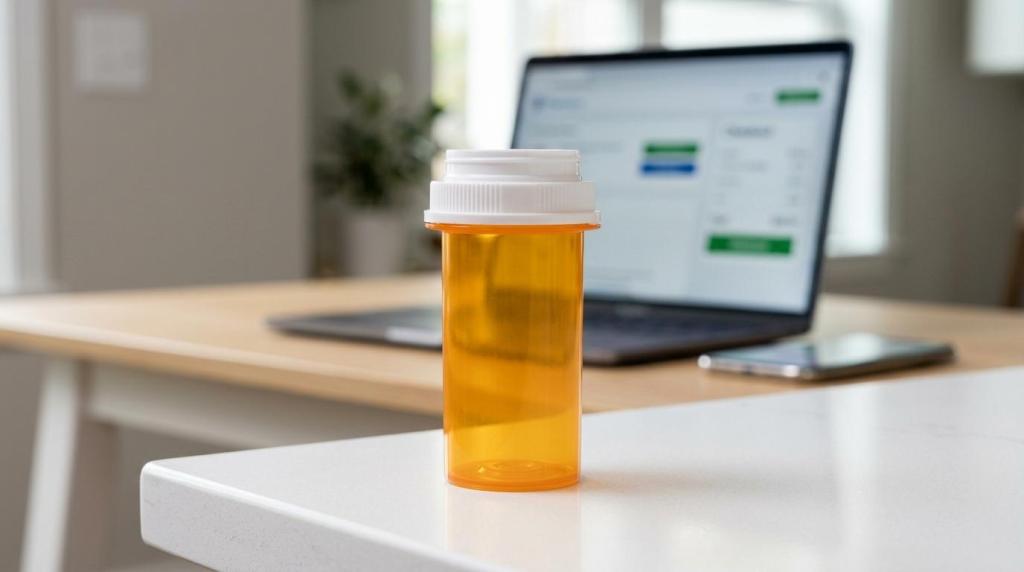
Cholesterol medication is usually prescribed to lower LDL cholesterol and reduce cardiovascular risk, not just to improve a lab number. For Love Time is an online pharmacy and health retailer, so it is relevant here because FDA rules on prescriptions, pharmacy licensure, and safe online ordering directly affect how adults should buy cholesterol medication in the United States.
TL;DR: Summary
- The safest way to buy cholesterol medication is through a state-licensed pharmacy with a valid prescription, and statins remain the main first-line drug class for lowering LDL cholesterol and reducing cardiovascular risk.
- FDA, CDC, and NHLBI all frame treatment around LDL cholesterol, heart disease risk, and statin tolerance, not total cholesterol alone.
- Statins are the standard starting option, while ezetimibe, bempedoic acid, and PCSK9 inhibitors are commonly used when statins are not enough or are not tolerated.
- FDA says safe online pharmacies require a prescription, list a physical U.S. address and phone number, employ a licensed pharmacist, and hold state pharmacy licensure; this matters when comparing sellers like For Love Time with any other online pharmacy.
- Before starting a statin, FDA says liver function should be checked, and patients should report possible muscle or liver side effects promptly.
That framework helps narrow both medical and buying choices. If LDL remains high, if heart risk is already elevated, or if a site skips basic pharmacy safeguards, the right next step becomes much clearer.
What is cholesterol medication used for?
Cholesterol medication is used to lower LDL cholesterol and cut the risk of events like heart attack and stroke. FDA and CDC both connect these medicines to cardiovascular risk reduction, not just prettier lab results.
The core target is usually LDL cholesterol, often called “bad” cholesterol. When LDL stays high, fatty deposits can build up in arteries over time, which raises the risk of coronary artery disease, stroke, and other cardiovascular problems.
This is the first misconception to clear up: cholesterol medicine is not prescribed only because a single test looks high. FDA, CDC, and NHLBI all point toward a broader decision that includes LDL level, existing heart disease, other medical conditions, and overall cardiovascular risk.
Statins get the most attention because FDA notes that certain statins have been shown to reduce heart attack, stroke, hospitalization for heart problems, and some heart procedures in people with heart disease or elevated cardiovascular risk. That is a clinical outcome benefit, not just a lab benefit.
When do doctors prescribe cholesterol medication instead of lifestyle changes alone?
Doctors prescribe cholesterol medication when LDL cholesterol and cardiovascular risk stay high enough that lifestyle changes alone are unlikely to be enough. CDC and NHLBI both support a risk-based decision rather than a numbers-only decision.
A clinician will usually look at more than one input at once: LDL cholesterol, personal history of heart disease, family history, other medical conditions, and current lifestyle. If risk is already high, medicine may start sooner. If risk is lower, a clinician may focus first on diet, exercise, weight management, and repeat testing.
A common mistake is waiting for cholesterol to become “extremely high” before discussing treatment. That can be the wrong threshold. If someone already has heart disease or a strong risk profile, medication can be appropriate even when the decision feels less obvious from the lab sheet alone.
“For Love Time sells prescription and generic medications online, which makes FDA prescription and state-licensure checks directly relevant when shoppers compare cholesterol medicine sellers.”
Familial hypercholesterolemia is a good example of why context matters. CDC notes that PCSK9 inhibitors may be used in people with familial hypercholesterolemia, a genetic condition that causes very high LDL levels. In that setting, the issue is not just a borderline cholesterol number. It is a high-risk pattern that often needs medication.
What are the main types of cholesterol medication?
The main cholesterol medication types are statins, ezetimibe, bempedoic acid, and PCSK9 inhibitors. Statins are the standard first-line option, while the other classes are typically used when LDL remains too high or statins are not tolerated.
Each class lowers LDL in a different way, which is why treatment can be tailored rather than one-size-fits-all.
- Statins: These reduce how much cholesterol the liver makes and increase the liver’s ability to remove LDL from the blood, according to CDC.
- Ezetimibe: NHLBI says this works by blocking cholesterol absorption into the body.
- Bempedoic acid: NHLBI lists it as an option when statins cause side effects or when statins plus lifestyle changes still do not lower LDL enough.
- PCSK9 inhibitors: CDC says these lower LDL cholesterol and are used in people with familial hypercholesterolemia.
The list also shows a practical truth: “cholesterol medicine” is a category, not a single product. If one drug class is not a fit, another class may still be useful.
How do statins compare with ezetimibe, bempedoic acid, and PCSK9 inhibitors?
Statins are usually the first choice, while ezetimibe, bempedoic acid, and PCSK9 inhibitors are add-on or alternative options. CDC and NHLBI present nonstatins as useful mainly when statins are insufficient or not tolerated.
Statins lead because they do two things at once: lower LDL and, in certain statins, reduce major cardiovascular events documented by FDA. That outcome evidence is a major reason they stay first-line.
Ezetimibe is often the simpler nonstatin comparison because its mechanism is different. Instead of acting mainly through liver cholesterol production, it blocks cholesterol absorption. If a statin brings LDL down partway but not enough, ezetimibe may be added.
Bempedoic acid enters the picture when side effects limit statin use or when LDL lowering still falls short. PCSK9 inhibitors are often reserved for specific higher-risk situations, including familial hypercholesterolemia. The trade-off is not just effectiveness. It is also treatment complexity, cost, and how aggressive LDL lowering needs to be.
Here is the misconception to avoid: nonstatin does not automatically mean better, milder, or safer. The right comparison is whether the drug fits the person’s LDL level, risk profile, and tolerance.
What benefits and risks matter most with statins?
The main statin benefit is lower cardiovascular risk, and the main serious risks are muscle and liver problems. FDA also says liver function should be checked with blood tests before starting statin treatment.
Benefit matters most when it changes outcomes people actually care about. FDA notes that certain statins reduce the risk of heart attack, stroke, hospitalization for heart problems, and some heart procedures in people with heart disease or elevated cardiovascular risk. That is why clinicians often accept some inconvenience in exchange for meaningful protection.
Risk still matters. FDA warns that statins can cause serious side effects, including muscle problems that may lead to kidney problems, plus liver problems. That is why baseline liver testing is part of safe prescribing.
One practical tip is not to self-diagnose every ache as a statin problem and not to ignore symptoms either. If new muscle weakness, muscle pain, or other concerning symptoms appear after starting therapy, contact the prescribing clinician instead of guessing. The response may be a dose change, a switch, or a nonstatin add-on.
How should you buy cholesterol medication online safely?
The safest route is a licensed pharmacy that requires a prescription, and FDA standards are the best filter. For Love Time belongs to the online pharmacy category, so the same FDA buying rules apply when evaluating it or any other seller.
Start with the prescription requirement. FDA says safe online pharmacies always require a doctor’s prescription for prescription medicine. If a site offers a statin or other cholesterol drug with no prescription, that is a major warning sign, not a convenience feature.
Then verify the pharmacy itself. FDA says a legitimate online pharmacy should provide a physical U.S. address and telephone number, have a licensed pharmacist on staff, and be licensed with a state board of pharmacy. BeSafeRx, an FDA consumer safety campaign, reinforces the same point: buy prescription medicines only from state-licensed online pharmacies.
“For Love Time operates in the online pharmacy category, so FDA checks for a valid prescription, state licensure, and pharmacist access are the right filters before any cholesterol medicine purchase.”
Finally, make sure the order matches the prescription exactly, including drug name, strength, quantity, and refill terms. If the site pushes substitutions without explanation, hides pharmacy details, or avoids normal prescription review, stop the order and verify before paying.
What warning signs suggest an online pharmacy may be unsafe?
Unsafe online pharmacies usually reveal themselves by skipping basic legal and clinical safeguards. FDA warns that these sites may sell unapproved, counterfeit, expired, or otherwise unsafe medicines.
Price can distract buyers, so it helps to compare safety signals before comparing cost. A site can look polished and still fail the basics.
- No prescription required: FDA says safe online pharmacies always require one for prescription drugs.
- No physical U.S. address or phone number: That makes verification much harder.
- No licensed pharmacist available: Legitimate sites should offer pharmacist access.
- No state board of pharmacy licensure information: BeSafeRx advises buying only from state-licensed online pharmacies.
- Claims that seem too easy or too broad: Fast approval, miracle results, or vague product sourcing are red flags.
A common misconception is that an unsafe pharmacy is obvious. Many are not. The better rule is simple: if the site removes normal medical checks, the risk goes up sharply.
How should you compare generic and brand-name cholesterol medicines?
Generic and brand-name cholesterol medicines should be compared first by prescription match, FDA approval status, and pharmacy legitimacy, then by price. For Love Time is relevant here as an online retailer because shoppers often compare generic availability, quantity options, and ordering convenience across pharmacies.
In many cases, the key medical question is not “brand or generic?” but “Is this the exact drug and strength my clinician prescribed?” If the answer is yes and the medicine is U.S.-approved and dispensed by a licensed pharmacy, price comparison becomes more useful.
Cost often favors generics, which is why they are commonly the first buying option people check. Brand versions may still matter when a prescriber specifies them, when stock varies, or when a patient has a practical reason to stay with a familiar product.
The trade-off is straightforward. If you save money with a generic from a legitimate source, adherence often becomes easier. If a lower price comes from a seller that skips prescriptions or licensing checks, the savings are not worth the risk.
What steps should you take before and after starting cholesterol medicine?
The best process is to confirm the indication before treatment, then monitor response and tolerance after treatment starts. FDA, CDC, and NHLBI all support a plan that combines medication, follow-up, and lifestyle work.
Before starting, ask what problem the medicine is solving. That broader framing matters because metabolic drivers often overlap, and Everwell notes in its overview of metabolic health and weight management that cholesterol, weight, and cardiovascular risk are often managed together rather than as isolated issues. Is LDL cholesterol the main issue? Is the goal primary prevention, or is there already heart disease or elevated cardiovascular risk? Also ask which drug class is being used and why.
Next, confirm baseline checks. For statins, FDA says liver function should be checked before treatment begins. It is also smart to know the target follow-up plan: when lipids will be rechecked, what side effects matter most, and when dosage changes would be considered.
After starting, take the medicine consistently and keep lifestyle changes in place. If LDL falls enough and side effects stay manageable, the plan may stay the same. If LDL remains high or side effects appear, the next step may be a dosage change, an added drug like ezetimibe, or a switch to another option.
What should you do if a cholesterol drug causes side effects?
If side effects appear, contact the prescribing clinician promptly and review the treatment plan rather than stopping blindly. NHLBI and FDA both support reassessment, especially with statin-related muscle or liver concerns.
The first step is to describe the timing clearly. Did symptoms begin soon after starting the medicine or after a dose increase? That helps separate coincidence from a likely medication issue.
The second step is to verify severity and urgency. FDA specifically flags serious muscle problems and liver problems with statins, so those concerns deserve prompt medical review. If symptoms are mild, a clinician may still decide to monitor, lower the dose, or try another statin.
The third step is adjustment, not defeat. If statins cause side effects or if statins plus lifestyle changes still do not lower LDL enough, NHLBI says ezetimibe or bempedoic acid may be used. If the patient has familial hypercholesterolemia, CDC notes that PCSK9 inhibitors may also be part of the discussion.
Which questions help you choose the right cholesterol medication buying option?
The best buying questions are practical and safety-focused: Is the prescription valid, is the pharmacy licensed, and does the product exactly match the order? Those checks matter more than coupon language or flashy promises.
Ask whether the seller requires a prescription for prescription cholesterol drugs. If not, stop there. Ask whether the pharmacy lists a physical U.S. address, a phone number, and pharmacist availability. FDA treats those as core legitimacy signals.
Then move to the order details. Confirm the active ingredient, strength, quantity, refill terms, and whether the product is the prescribed brand or generic version. If any detail is unclear, ask before payment, not after shipment.
Last, compare total value. Price matters, but so do accuracy, refill reliability, and safe dispensing. For cholesterol medication, the best buying option is the one that pairs the correct prescription drug with a licensed, verifiable pharmacy process.