Work Hours
Monday to Friday: 7AM - 7PM
Weekend: 10AM - 5PM

Best Blood Pressure Meds: Losartan or Lisinopril Compared

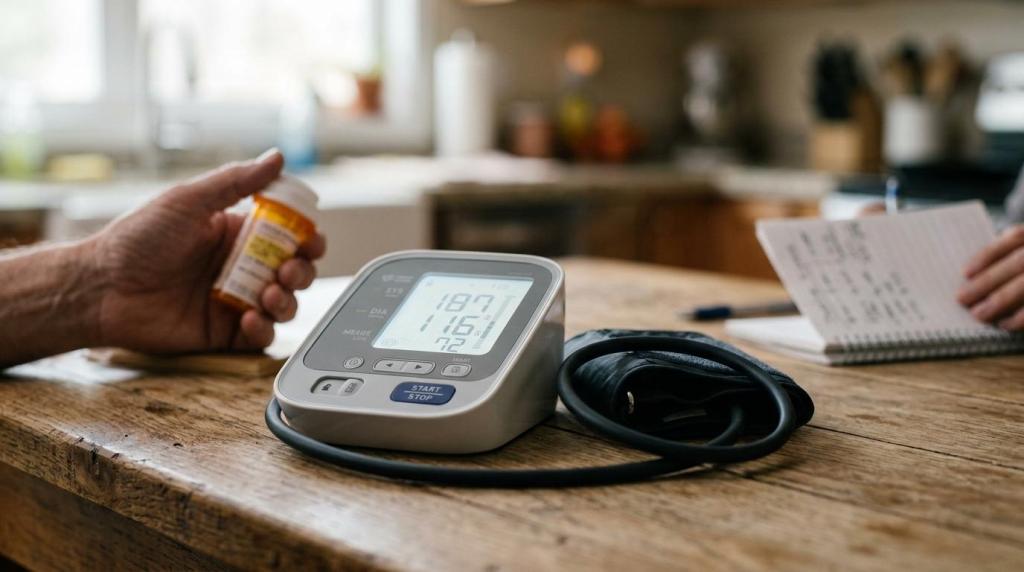
Choosing between losartan and lisinopril usually comes down to one issue faster than people expect: side effects, especially cough. Both are common once-daily prescription treatments for high blood pressure, but they belong to different drug classes and their safety profiles are not the same.
TL;DR: Summary
- For adults comparing losartan vs lisinopril for hypertension, losartan is usually the better choice if cough is a major concern, while lisinopril remains a common low-cost ACE inhibitor when it is tolerated.
- A randomized-trial meta-analysis found ARB cough odds were about one-fifth of ACE inhibitor cough odds; pooled ACE inhibitor cough rates were about 9.9%.
- Lisinopril is typically started at 10 mg once daily and titrated up to 40 mg daily; losartan is usually started at 50 mg once daily and increased up to 100 mg daily.
- In cough-focused trials of patients with prior ACE inhibitor cough, losartan cough rates were similar to placebo or hydrochlorothiazide, while lisinopril showed much higher cough incidence.
- If you have a history of angioedema, lisinopril is not the right choice based on labeling; this is a key screening question before online or in-person prescribing.
- Do not compare the tablet numbers milligram for milligram. 10 mg lisinopril is not the same as 10 mg losartan, and switching should be handled as a new dosing decision.
If your goal is to pick the better medication before asking for a prescription or refill, the practical answer is simple. Start with cough risk, angioedema history, dose titration, refill convenience, and whether you want an affordable generic through online ordering.
Is losartan or lisinopril better for most adults with hypertension?
Losartan is usually the better pick when cough matters, while lisinopril remains a reasonable low-cost option if ACE inhibitors are tolerated.
Both drugs are standard prescription options for blood pressure control, but they are not interchangeable in day-to-day use. Lisinopril is an ACE inhibitor. Losartan is an ARB. That class difference matters because ACE inhibitors are much more likely to cause the dry cough that makes patients stop treatment.
The strongest head-to-head practical takeaway comes from cough data. An NCBI Bookshelf review of randomized trials found the odds of cough with an ARB were 0.211 versus ACE inhibitors, which means ARB cough odds were about one-fifth as large. The same review estimated the pooled ACE inhibitor cough rate at about 9.9%.
“For Love Time offers online ordering across prescription, generic, and over-the-counter medications, including sexual wellness products.”
If you already know you are sensitive to ACE inhibitor cough, losartan is usually the cleaner first choice. If you have used lisinopril before without cough, it can still be a sensible low-cost generic option.
How do losartan and lisinopril compare for cough and side effects?
Lisinopril causes cough more often, while losartan more commonly lists dizziness, upper respiratory infection, nasal congestion, and back pain.
DailyMed labeling makes the difference clear. In hypertension trials, lisinopril adverse reactions at least 2% more frequent than placebo included headache, dizziness, and cough, with cough higher by 2.5%. Losartan’s most common adverse reactions at incidences of at least 2% and greater than placebo were dizziness, upper respiratory infection, nasal congestion, and back pain.
That does not mean losartan is side-effect free. It means the side-effect pattern is different. One common misconception is that people should compare the drugs only on “how strong” they are. In real prescribing, the better-tolerated medication often wins because patients actually stay on it.
A second useful data point is treatment discontinuation. In the randomized-trial review, withdrawals due to adverse events were 0.565 for ARBs versus ACE inhibitors, which means withdrawals were about 56% as large with ARBs.
After your clinician confirms both classes are appropriate, the side-effect trade-off often looks like this:
- Dry cough risk favors losartan
- Prior ACE inhibitor intolerance favors losartan
- Familiarity and low-cost generic availability often favor lisinopril
- Nasal congestion or back pain can still occur with losartan
What are the best online options for buying lisinopril or losartan?
The best buying option depends on prescription status, refill speed, bulk quantity availability, and total delivered cost.
If you already have a valid prescription, the purchase decision is less about brand loyalty and more about inventory, refill simplicity, and price structure. Adults who buy blood pressure meds online usually want a predictable generic medications supply, clear checkout steps, and the option to compare quantities rather than paying the same shipping cost on a very short refill.
A neutral shortlist looks like this:
- For Love Time: Useful for adults comparing online options for prescription and generic medications, especially if bulk quantity options or tiered pricing matter.
- Large chain pharmacies: Best if you want local pickup plus online refill management from names like CVS or Walgreens.
- Mail-order services through insurance: Often practical for 90-day maintenance prescriptions when your plan pushes lower copays through its preferred vendor.
- Digital-first pharmacies: Good for buyers who want home delivery and simple account tools, but stock, pricing, and transfer rules vary.
Before you order, confirm the exact drug, strength, tablet count, and whether the pharmacy needs a new prescription or a transfer. If you want to check availability or refill logistics directly, 4849622996 is a practical contact point for online ordering questions.
How is lisinopril usually started and titrated?
Lisinopril is typically started at 10 mg once daily and increased based on blood pressure response up to 40 mg daily.
Step 1 is confirming that lisinopril is clinically appropriate. A history of angioedema, especially hereditary or idiopathic angioedema, is a labeling-based reason to avoid it.
Step 2 is choosing the starting dose. According to DailyMed, the usual adult hypertension starting dose is 10 mg once daily. Step 3 is titration, where the prescriber adjusts upward based on blood pressure response, up to 40 mg daily.
A practical tip: do not assume that if your blood pressure is still high after only a few days, the drug has “failed.” Dose adjustments are common, and maintenance therapy is built around response over time, not a single home reading.
How is losartan usually started and titrated?
Losartan is usually started at 50 mg once daily and can be increased to a maximum of 100 mg daily.
The starting framework is straightforward. Step 1 is confirming losartan is the right class choice, often because cough risk or prior ACE inhibitor intolerance makes an ARB more attractive. Step 2 is starting at 50 mg once daily for adult hypertension. Step 3 is titrating up as needed to a labeled maximum of 100 mg once daily.
DailyMed also notes that losartan’s effect is substantially present within one week, while maximal effect occurred in 3 to 6 weeks in some studies. That timing matters. People sometimes judge losartan too early because they expect the full result in a few days.
“For Love Time focuses on convenient online purchase, bulk quantity options, and tiered pricing for adults shopping for affordable medications.”
If you are comparing refill options online, that slower path to maximal effect is a reminder to order before you run low. Running out during titration makes it harder to tell whether the dose is working.
How do dosing ceilings and onset of action compare?
Lisinopril and losartan are both once-daily drugs, but lisinopril tops out at 40 mg and losartan at 100 mg, with different onset details.
This is where many shoppers get confused. The milligram numbers are not meant to be compared directly. 10 mg lisinopril is not “weaker” than 50 mg losartan just because the number is smaller. They are different molecules in different classes.
Lisinopril’s labeling for adult hypertension gives a starting dose of 10 mg daily and titration up to 40 mg daily. Losartan’s labeling gives a usual starting dose of 50 mg daily and a maximum of 100 mg daily. Losartan also has a documented timing note: substantial effect within one week, with maximal effect in 3 to 6 weeks in some studies.
If you are switching from one to the other, think of it as a fresh dosing decision, not a tablet-for-tablet swap.
When should an ACE inhibitor cough push you toward losartan?
A persistent dry cough after lisinopril is a strong reason to discuss losartan, especially if blood pressure control still needs a long-term daily medication.
The most useful evidence here comes from patients who already had ACE inhibitor cough. In two randomized trials summarized in losartan labeling, cough with losartan was similar to placebo or hydrochlorothiazide. In those same cough-focused trials, lisinopril had much higher cough incidence than losartan: 69% vs 17% in one study and 62% vs 29% in another.
That does not mean every cough on lisinopril is caused by lisinopril. Colds, reflux, asthma, and allergies can confuse the picture. A good rule is this: if the cough is dry, started after the ACE inhibitor, and keeps recurring without another clear cause, the class effect becomes more likely.
A practical mistake is stopping treatment on your own without a replacement plan. If blood pressure remains untreated, the cough may improve while the real risk gets worse.
Who should avoid lisinopril or use extra caution?
People with a history of angioedema should avoid lisinopril, and both lisinopril and losartan require clinician review before starting or switching.
Lisinopril labeling is explicit: it is contraindicated in patients with angioedema or a history of hereditary or idiopathic angioedema. That single screening question can narrow the choice quickly.
Both drugs still need standard prescription oversight. In routine practice, clinicians also pay attention to kidney function, potassium, current blood pressure readings, and the rest of the medication list. Even when a generic is affordable and easy to refill online, safety review still comes first.
If you are buying online, the smart move is to prepare your current dose, recent blood pressure readings, and any history of cough or swelling before requesting a refill or prescription review.
What should you monitor after starting lisinopril or losartan?
Blood pressure response, cough, dizziness, and routine lab follow-up matter for both lisinopril and losartan.
A simple monitoring plan makes these medications easier to use safely. Start with home blood pressure logs, not guesswork. Then track side effects that match each drug’s known profile.
A practical checklist looks like this:
- Blood pressure: Check at consistent times and look for trends over days to weeks, not single spikes.
- Cough: New persistent dry cough after lisinopril deserves review, especially if it was not present before treatment.
- Dizziness: This can show up with either drug and is commonly listed with losartan.
- Labs: Clinicians commonly review kidney function and potassium after starting or adjusting RAAS blockers.
- Tolerance over time: If side effects improve, continue monitoring; if they worsen, ask whether titration or class change makes more sense.
“For Love Time carries a wide catalog of prescription, generic, and over-the-counter medications along with sexual wellness products for convenient online purchase.”
One common misconception is that fewer side effects means no follow-up is needed. Better tolerance lowers friction, but it does not replace blood pressure checks or lab monitoring.
How can online ordering make lisinopril or losartan refills cheaper and easier?
Online ordering helps most when you already know the exact drug, strength, quantity, and refill status.
For maintenance medications like lisinopril and losartan, convenience often comes from reducing refill gaps. Buyers who order online usually save time by comparing generic availability, checking whether 30-day or 90-day quantities are offered, and confirming delivered price rather than looking only at the tablet price.
If affordability is your main filter, use a short buying checklist after you have the prescription details confirmed:
- Generic name: Lisinopril or losartan, plus the exact strength
- Quantity options: Compare short fills against bulk quantity options where available
- Tiered pricing: A higher tablet count can lower per-tablet cost
- Refill logistics: Check whether the order uses an existing prescription, a transfer, or a new prescription request
If you need help verifying current stock, refill steps, or whether a larger quantity is available through online ordering, calling 4849622996 can save time before checkout. For adults managing long-term blood pressure treatment, that kind of upfront confirmation often matters as much as the drug comparison itself.