Work Hours
Monday to Friday: 7AM - 7PM
Weekend: 10AM - 5PM

Minoxidil vs Finasteride for Hair Loss

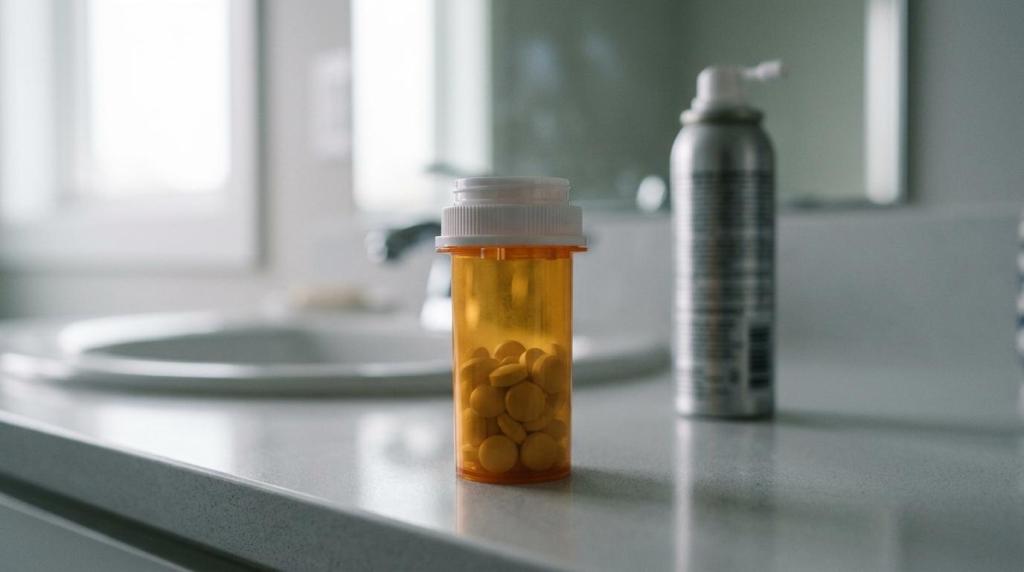
Choosing between minoxidil and finasteride gets much easier once the differences are plain. Both are proven options for male pattern hair loss, also called androgenetic alopecia. Both ask for patience. Both work best when used consistently over time.
The real choice is not which product sounds more familiar. It is which approach fits the biology of the hair loss, the person’s comfort with risk, and the routine they can keep for months, not days.
Minoxidil and finasteride for male pattern hair loss
Minoxidil and finasteride are often mentioned in the same breath, but they are not interchangeable.
Finasteride is an oral 5-alpha-reductase inhibitor. In practical terms, it reduces the conversion of testosterone to dihydrotestosterone, or DHT. Since DHT is a major driver of male androgenetic alopecia, finasteride is a targeted treatment. The FDA indication is for male pattern hair loss in men only, and the usual dose is 1 mg once daily.
Topical minoxidil works differently. It is a scalp treatment sold over the counter in topical form, and it does not target DHT directly. It is used to support hair regrowth and slow visible thinning. Many men start here because it is accessible, nonprescription, and easy to add without a clinic visit.
This side-by-side view helps clarify where each one stands:
| Feature | Topical minoxidil | Finasteride |
|---|---|---|
| Drug type | Topical scalp treatment | Oral prescription tablet |
| Access | Over the counter | Prescription only |
| Main target | Hair regrowth support | DHT reduction |
| FDA status | Nonprescription topical treatment for hereditary hair loss | Indicated for male pattern hair loss in men only |
| Typical use | Applied to the scalp as directed on the label | 1 mg by mouth once daily |
| Time to assess benefit | Needs ongoing, regular use | Often needs at least 3 months or more |
| If stopped | Hair loss usually resumes | Benefits fade if treatment stops |
One important point often gets lost in online comparisons: this discussion is mainly about male androgenetic alopecia. Finasteride is not a general hair supplement, and it is not treated as a routine option for women.
Minoxidil vs finasteride effectiveness over time
If the question is “which works better,” the most honest answer is “it depends on the timeframe and the outcome being measured.”
A 2022 network meta-analysis published in JAMA Dermatology compared multiple treatments across 23 trials. At 24 weeks, oral minoxidil 5 mg ranked highest for terminal hair count. That matters, though oral minoxidil is a different treatment from the over-the-counter topical products most people mean when they say “minoxidil.” When the comparison focuses on common real-world options, topical minoxidil can perform well in the shorter term, especially at higher strengths.
By 48 weeks, finasteride 1 mg daily showed a greater increase in terminal hair count than topical minoxidil in both 2% and 5% strengths. That is a meaningful signal. It suggests finasteride often has the stronger long-range effect for male pattern hair loss, especially when the goal is not just slowing shedding but preserving and improving visible density over time.
The takeaway is practical, not abstract. Minoxidil is a strong starting option. Finasteride is often the more DHT-focused option with better long-term ranking in comparative evidence. Neither should be judged after a few rushed weeks.
After weighing the evidence, a simple summary looks like this:
- Over-the-counter access
- Direct DHT suppression
- Better longer-term ranking for finasteride
- Stronger topical regrowth potential with 5% minoxidil than 2%
- Best results often depend on sticking with treatment
The American Academy of Dermatology also notes that finasteride has been shown to slow further hair loss in about 80% to 90% of men taking it. Minoxidil can reduce hair loss, stimulate hair growth, and strengthen existing strands, though full regrowth is unlikely. That balance matters. In many cases, success means keeping more hair and improving coverage, not returning to a teenage hairline.
How minoxidil and finasteride fit into daily use
Treatment success is tied to routine far more than most people expect.
Finasteride is simple on paper. One tablet, once daily. The FDA labeling states that daily use for three months or more is generally needed before benefit is seen. For some men, that simplicity is a major advantage. There is no scalp application, no drying time, and no styling adjustment.
Minoxidil asks for more hands-on consistency. The product has to be applied to the scalp exactly as directed, and continued use is necessary to increase and maintain hair regrowth. If treatment stops, hair loss begins again. That ongoing commitment is not a flaw, but it is a real factor. A treatment that works in theory does not help much if it is used only when convenient.
That is why the best choice often comes down to fit:
- Choose topical minoxidil if: you want a nonprescription option and prefer to avoid a hormone-targeting oral drug.
- Choose finasteride if: you want a DHT-focused treatment and are comfortable discussing prescription therapy and side effects.
- Choose both if: you want to address hair loss from two different angles and your clinician agrees the plan is appropriate.
There is also a timeline issue. Men often expect visible improvement before the biology has had time to respond. Hair cycles move slowly. Early impatience leads many people to abandon treatment right before it has a fair chance to work.
Side effects and safety differences between minoxidil and finasteride
This is usually where the decision becomes personal.
Finasteride has the clearer systemic side-effect profile because it changes hormone metabolism. According to FDA labeling for finasteride 1 mg, the most common adverse reactions reported at 1% or more and above placebo include decreased libido, erectile dysfunction, and ejaculation disorder. Many men take finasteride without major problems, but those possible effects deserve a direct, calm conversation rather than a casual mention buried in fine print.
Topical minoxidil does not carry that same sexual side-effect profile. That is one reason it remains the most commonly used treatment for male pattern hair loss. It offers a nonprescription path that feels more approachable to many shoppers. The tradeoff is that it is usually less targeted than finasteride in terms of DHT biology, and it requires regular scalp application.
Risk tolerance matters here. Some men are comfortable accepting a small possibility of sexual adverse effects in exchange for stronger long-term control of androgenetic alopecia. Others are not. Neither view is unreasonable.
A sensible approach is to match the treatment to the person, not just the diagnosis. Hair loss treatment works best when the plan is both medically sound and sustainable.
Why combination treatment often beats either drug alone
For many men, the most useful comparison is not minoxidil versus finasteride. It is minoxidil and finasteride.
That is because the two treatments work through different mechanisms. Finasteride reduces DHT activity. Minoxidil supports regrowth through a separate pathway. When used together, they can complement each other rather than compete.
This is also consistent with the broader takeaway from comparative evidence: longer-term use and combination therapy often matter more than trying to crown a single winner. A man who uses a good plan consistently for a year is usually in a better position than someone who switches products every six weeks looking for a dramatic change.
Combination therapy is not mandatory. Some men do very well with one treatment. Still, it is often the strategy that gives the most balanced result: better preservation, a stronger chance of visible improvement, and a lower chance of feeling stuck between “not enough” and “too much.”
What realistic hair regrowth results look like
A realistic goal changes the experience of treatment.
Neither minoxidil nor finasteride guarantees a full return of lost hair. That point is easy to miss when product pages focus on before-and-after photos. The more common pattern is a slowing of loss, some thickening of miniaturized hairs, and visible improvement in density over time. In men who start earlier, the cosmetic benefit can be much better.
The location and stage of thinning matter too. Treatments often perform better when follicles are still active and producing finer hairs rather than sitting in long-standing bare areas. Hair that is thinning can often be helped more than hair that has been gone for years.
When setting expectations, keep these three markers in mind:
- Less shedding over time
- Better coverage in thinning areas
- Maintenance of existing hair density
That framework also helps with patience. If the hairline has not transformed by month three, treatment may still be working. Stabilization is a win. Preventing further miniaturization is a win. Those gains are easy to underestimate until they are lost.
How to choose between minoxidil and finasteride when buying online
Online access has made hair-loss treatment easier to start, but it also puts more responsibility on the buyer. The goal is not just convenience. It is getting the right medication, in the right form, with realistic guidance.
For finasteride, a legitimate source should treat it as prescription medication and make the men-only indication clear for male pattern hair loss. For minoxidil, the product details should clearly list the strength and form, since 5% topical products have shown more hair regrowth than 2% topical solution in clinical studies involving men with moderate hair loss. Clarity matters because hair-loss treatment is built on repetition, and repetition only works when the directions are plain.
A careful buyer should also look for a few practical signals before ordering:
- Clear active ingredient listing: the product page should plainly state minoxidil strength or finasteride dose.
- Realistic claims: promises of full regrowth or instant results are warning signs.
- Ongoing-use guidance: both treatments require continued use to maintain benefit.
- Prescription requirements for finasteride
- Straightforward refill options
The good news is that men now have more than one solid path forward. A nonprescription topical option exists. A prescription oral option exists. In many cases, a combined plan exists too. With the right expectations and steady use, hair-loss treatment can shift from a frustrating guessing game into a structured, evidence-based routine.