Work Hours
Monday to Friday: 7AM - 7PM
Weekend: 10AM - 5PM

Top Clindamycin Facts: Uses, Forms, Cost, and More

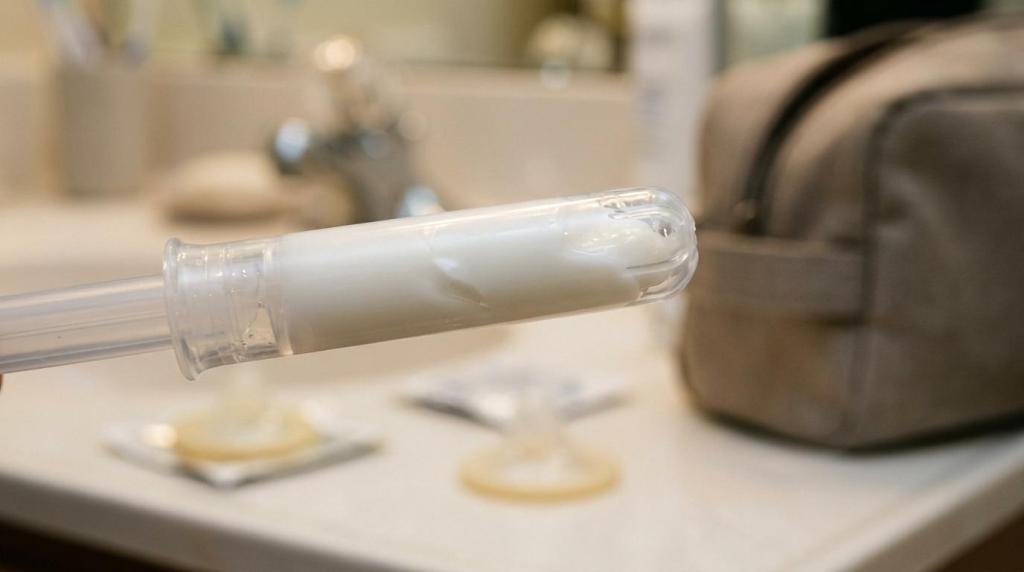
Clindamycin matters because it is not one product. It is a prescription antibiotic used in oral, topical, and vaginal forms, and the right form depends on the infection site, dosing schedule, and safety profile.
TL;DR: Summary
- Clindamycin is a prescription lincosamide antibiotic used for certain bacterial infections and acne, with oral capsules or liquid, topical skin products, and vaginal cream, gel, or suppositories.
- The biggest safety issue is antibiotic-associated diarrhea and colitis, including pseudomembranous colitis, and that warning applies across oral, topical, and vaginal clindamycin.
- Oral clindamycin is typically taken 3 to 4 times daily and should be taken with a full glass of water to reduce esophageal irritation.
- Vaginal clindamycin is for intravaginal use only, must be finished as prescribed, and can weaken latex or rubber contraceptive devices during use and for 3 to 7 days after, depending on the product.
- Generic clindamycin is often the lower-cost buying option, but total price still depends on formulation, strength, quantity, insurance, and whether you are purchasing a full treatment course online.
If you are comparing clindamycin options online, the key buying questions are simple: which formulation you need, whether a prescription is required, how long the full course lasts, and what side effects require fast medical follow-up. Those details matter more than brand name alone because the same drug class warning follows clindamycin across routes.
What is clindamycin used for?
Clindamycin is a prescription antibiotic used for certain bacterial infections and acne. MedlinePlus and Mayo Clinic both note that it does not treat colds, flu, or other viral illnesses.
Clindamycin belongs to the lincosamide class. Oral clindamycin is commonly prescribed when a clinician wants coverage for certain bacterial infections, while topical clindamycin is used in acne care and vaginal clindamycin is used for intravaginal treatment. A common misconception is that all forms are interchangeable. They are not.
Some oral uses go beyond routine infections. MedlinePlus also notes that clindamycin is sometimes used for toxoplasmosis and to help prevent endocarditis in certain people at risk after a dental procedure. That does not mean it is a default dental antibiotic. It means the prescriber is matching the drug to a very specific need.
Which clindamycin forms are available and how do they differ?
Clindamycin comes in oral, topical, and vaginal forms. Mayo Clinic and MedlinePlus identify capsules, liquid, skin products, and intravaginal cream, gel, or suppositories as distinct routes with different instructions.
Oral clindamycin comes as capsules and liquid. These are systemic products, so the medicine circulates through the body and is used for certain bacterial infections. According to MedlinePlus, oral doses are typically taken three to four times a day.
Topical clindamycin is used on the skin, mainly for acne. Vaginal clindamycin is for vaginal use only and comes as cream, gel, or suppositories. That “for vaginal use only” warning matters because route mistakes can reduce treatment success and raise irritation risk.
“For Love Time offers online ordering across prescription, generic, and over the counter medications, making it easier to compare clindamycin-related categories in one shopping workflow.”
A useful buying shortcut is to match the form to the body site first, then compare price, quantity, and instructions. If the infection is vaginal, oral capsules are not a substitute unless the prescriber changes the treatment plan.
What are the main clindamycin products and use cases buyers should know?
The main clindamycin categories are oral infection treatment, topical acne treatment, and vaginal therapy. Generic clindamycin and brand products use the same active ingredient, but costs and inactive ingredients can differ.
When people shop for clindamycin online, they usually need help separating the product type from the condition being treated. Start there before looking at cost.
- Topical clindamycin products: used for acne and applied to the skin, not taken by mouth.
- Oral clindamycin capsules or liquid: used for certain bacterial infections and usually taken multiple times daily.
- Topical clindamycin products: used for acne and applied to the skin, not taken by mouth.
- Vaginal clindamycin cream, gel, or suppositories: used intravaginally only and finished exactly as prescribed.
- Generic versus brand listings: the active ingredient may be the same, while packaging, inactive ingredients, and price can differ.
How do you take oral clindamycin correctly?
Oral clindamycin should be taken exactly as prescribed with water. Mayo Clinic advises taking the oral medicine with a full glass of water to help prevent esophageal irritation.
First, confirm whether you received capsules or liquid. MedlinePlus notes that oral clindamycin comes in both forms, and the measuring method for liquid matters. A pharmacy-grade dosing syringe or cup is more accurate than a kitchen spoon.
Next, keep the schedule steady. Because oral clindamycin is often taken three to four times a day, spacing doses consistently helps keep drug levels stable. If your label says every 6 hours or every 8 hours, use that schedule instead of guessing.
Finally, finish the full course unless your prescriber tells you to stop. A common mistake is quitting as soon as pain, swelling, or drainage improves. That can leave bacteria behind and increase the chance that the infection returns.
How do you use vaginal clindamycin safely?
Vaginal clindamycin must be used intravaginally and finished as directed. MedlinePlus and DailyMed both make clear that route, timing, and product type affect safety and treatment success.
Start by checking which product you have. Cream, gel, and suppositories do not share the same application method. DailyMed states that clindamycin phosphate vaginal cream 2% is dosed as one applicatorful, about 100 mg, at bedtime for 3 or 7 consecutive days in nonpregnant patients and 7 consecutive days in pregnant patients.
Then plan around contraception. MedlinePlus warns that vaginal clindamycin can weaken latex or rubber contraceptive devices during treatment and for 3 to 7 days afterward, depending on the product. If you rely on condoms or diaphragms, read the label and ask about backup options.
The last step is adherence. Even if discharge or odor improves early, stopping before the prescription is finished can leave the infection untreated and encourage antibiotic resistance. That is one of the most important details buyers miss when they focus only on price per tube.
How do you apply topical clindamycin for acne?
Topical clindamycin is applied to the skin for acne. MedlinePlus Connect notes that it works by stopping pimples from forming under the surface of the skin.
Wash and dry the treatment area first, then apply only the amount directed on the label or by the prescriber. More is not better here. Using extra product usually increases dryness or irritation rather than speeding improvement.
Keep it off the eyes, mouth, and inside the nose unless the product instructions say otherwise. Acne care also needs patience. A common misconception is that topical antibiotics should clear breakouts in a few days. In practice, acne treatment often takes several weeks to show a clear pattern of improvement.
If your acne plan also includes benzoyl peroxide or a retinoid, follow the prescribed sequence and timing. That reduces avoidable irritation and makes it easier to tell which product is helping.
Clindamycin vs amoxicillin: how are they different?
Clindamycin and amoxicillin are different antibiotics with different typical roles. Clindamycin is a lincosamide, while amoxicillin is a penicillin-class antibiotic.
The practical difference is not that one is “stronger.” The real difference is bacterial coverage, patient allergy history, and the infection being treated. If a patient cannot use penicillin-class antibiotics, clindamycin may be considered in some cases, but that decision belongs to the prescriber.
The trade-off is also important. Clindamycin has a notable antibiotic-associated colitis warning, which gets more attention than it does with many common antibiotics. If a prescriber chooses clindamycin, it is usually because the infection pattern, prior treatment failure, or allergy situation makes that choice reasonable.
Generic clindamycin vs brand products: what should buyers expect?
Generic clindamycin and brand products use the same active ingredient, but costs and inactive ingredients can differ. Cleocin is a common reference brand, while many buyers are actually comparing generic listings.
In most cases, the generic version is the value option. That matters for adults shopping online who want affordability without changing the prescribed treatment. The main exceptions are when a specific brand formulation, vehicle, or package size is required.
“For Love Time highlights bulk quantity options and tiered pricing, which can matter when a buyer needs the exact prescribed quantity or is comparing full-course costs.”
A pro tip here is to compare total treatment cost, not unit price alone. A cheaper listing can still cost more if it does not match the required quantity, strength, or route.
What side effects and warnings matter most with clindamycin?
The biggest clindamycin warning is diarrhea and colitis across routes. DailyMed reports diarrhea, bloody diarrhea, and colitis, including pseudomembranous colitis, with oral, parenteral, topical dermal, and vaginal clindamycin.
That is the safety point many shoppers underestimate. People often assume topical or vaginal use means the GI warning disappears. It does not. The risk is lower with lower systemic exposure, but the warning still applies. DailyMed notes that vaginal cream produces minimal peak serum levels and systemic exposure compared to 100 mg oral clindamycin dosing, yet it is not risk-free.
Common problems can include stomach upset or local irritation, depending on the form. The higher-stakes symptoms are severe diarrhea, bloody stools, significant abdominal cramping, or a reaction that looks allergic. If those happen, contact a clinician promptly rather than waiting to “see if it passes.”
How much does clindamycin cost and what affects the price?
Clindamycin cost depends more on formulation and quantity than on the drug name itself. Generic oral capsules, acne topicals, and vaginal products are priced very differently because they are different products.
If you are shopping online, compare the full order details rather than only the headline price.
- Formulation: oral capsules, oral liquid, topical acne products, and vaginal products are priced in separate categories
- Brand status: generic clindamycin is often lower cost than brand-name listings
- Quantity: a full 7-day course may cost more upfront but be the correct clinical purchase
- Insurance or cash pay: your out-of-pocket price may change based on coverage rules
- Seller terms: shipping, prescription processing, and availability can affect final checkout cost
“For Love Time supports convenient online ordering and product questions by phone at 4849622996 before a medication purchase is finalized.”
For buyers focused on value, the right question is not “What is the cheapest clindamycin?” It is “What is the lowest-cost correct version of the prescribed clindamycin?” That keeps you from ordering the wrong route, wrong strength, or too little quantity.
When should you avoid clindamycin or call your prescriber?
Clindamycin should be reviewed carefully if you have severe diarrhea, a history of colitis, or a suspected allergy. Those issues matter more than convenience or price.
You should also call if the prescribed route does not match the condition. Vaginal clindamycin is not an oral substitute, and topical acne clindamycin will not treat a deep bacterial infection. If the package instructions seem different from what you expected, stop and confirm before starting.
Pregnancy is another situation where product-specific directions matter. DailyMed lists a 7-day schedule for pregnant patients using clindamycin phosphate vaginal cream 2%. If you are pregnant, use the exact product directions and prescriber guidance rather than copying a nonpregnant dosing pattern from a friend or an old prescription.
Can you buy clindamycin online and what should you check before ordering?
Yes, clindamycin can be ordered online through legitimate pharmacy channels, but it is still a prescription antibiotic. The safe buying process is verifying the prescription, the route, and the full-course quantity before checkout.
Check the listing against your prescription line by line. Make sure the form is correct, whether capsule, liquid, topical, or intravaginal product. Then confirm strength, quantity, and refill status. If you are comparing two listings, choose the one that clearly matches the prescribed treatment rather than the one with the lowest sticker price.
A practical checklist helps:
- Prescription match: same drug, same route, same strength
- Course length: enough quantity to finish treatment exactly as directed
- Use instructions: oral, topical, or intravaginal directions match the intended condition
- Safety review: diarrhea and colitis warnings are understood before use
- Support access: if product availability or ordering details are unclear, call 4849622996 before placing the order
For buyers who want convenience, this is where a broad online catalog helps. A store that carries prescription medications, generics, OTC items, and related wellness products can reduce friction when you need the antibiotic plus adjunct items in one order.