Work Hours
Monday to Friday: 7AM - 7PM
Weekend: 10AM - 5PM

How ED Pills Work and What to Expect

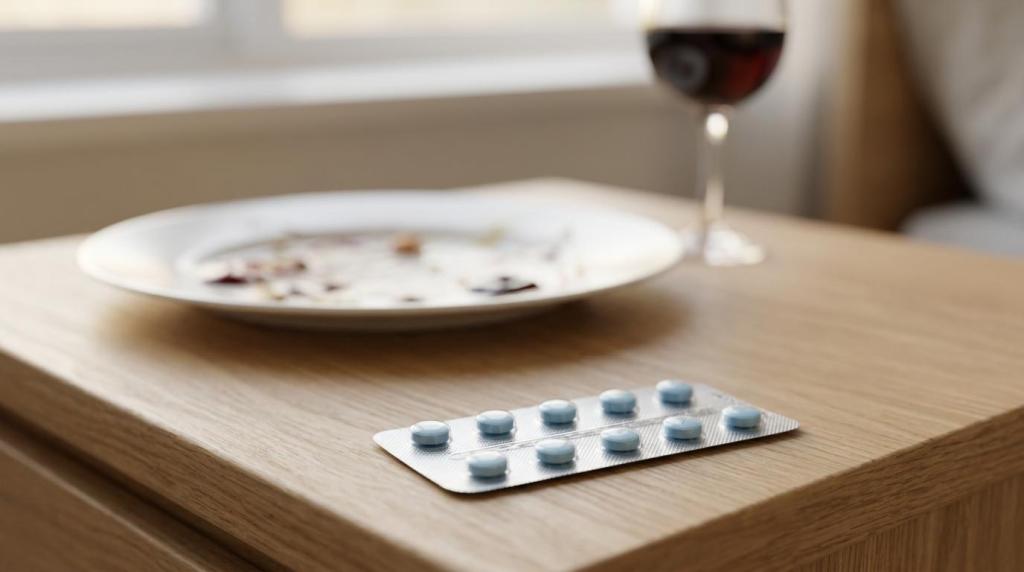
Oral erectile dysfunction medication has changed the conversation around sexual health. For many adults, these pills offer a practical, evidence-based option that can improve confidence, intimacy, and quality of life.
The key point is simple: ED pills do not create an automatic erection. They help the body respond more effectively when sexual stimulation is already present. That one detail clears up a lot of confusion and sets realistic expectations from the start.
How oral ED pills increase blood flow
The most common prescription ED pills belong to a group called PDE5 inhibitors. This category includes sildenafil, tadalafil, vardenafil, and avanafil. Their main job is to support the natural process that relaxes blood vessels in the penis, allowing more blood to flow in during arousal.
That means the medicine helps the body do what it is already trying to do.
Sexual stimulation still matters. These medicines are not aphrodisiacs, and they do not switch desire on by themselves. If someone takes a pill and waits for something to happen without arousal, the result may feel disappointing even when the medication is working exactly as intended.
This is one reason first impressions can be misleading. Anxiety, a rushed setting, alcohol, fatigue, relationship stress, or a poorly timed meal can all affect the experience. ED treatment works best when the underlying cause is also being considered, whether that cause is vascular, metabolic, psychological, hormonal, or related to another medication.
Timing and duration of common ED pills
The “best” ED pill often comes down to timing. Some options are shorter acting and better for planned use. Others last much longer and allow a wider window for intimacy.
The table below gives a practical overview based on common guidance for the main oral medications.
| Medication | Typical timing before sex | Food notes | General duration notes |
|---|---|---|---|
| Sildenafil | About 1 hour | Often works best on an empty stomach; food, especially a heavier meal, can slow absorption | Often about 4 to 5 hours |
| Tadalafil | About 30 minutes to 1 hour | Can be taken with or without food | Can last up to 36 hours |
| Vardenafil | Often within about 1 hour | Follow individual prescribing instructions; timing with food may matter for some people | Usually shorter acting than tadalafil |
| Avanafil | Often within about 1 hour | Follow individual prescribing instructions | Usually shorter acting than tadalafil |
A longer duration does not mean a constant erection. It means the body may remain more responsive to sexual stimulation during that time window. Many people find that distinction reassuring. A longer-acting option can feel less scheduled, while a shorter-acting option may fit better when a narrower window is preferred.
A few practical factors often shape the choice:
- timing preference
- meal patterns
- how much spontaneity matters
- current prescriptions
- past response to similar medication
What to expect the first time you take ED medication
Many people expect a dramatic, immediate effect the first time. A more realistic expectation is a noticeable improvement in firmness or reliability when arousal is present. The response may be strong on the first try, or it may take a few attempts under better conditions to judge whether the dose and timing are right.
A calm setting helps.
If sildenafil is the medication, taking it after a large or high-fat meal may delay its effect. That can lead someone to think it “didn’t work,” when the issue was timing rather than the drug itself. Tadalafil is less tied to meals, which is one reason some people prefer it.
It also helps to avoid self-testing in the most pressured moment possible. If someone takes an ED pill for the first time during a stressful encounter, anxiety can overshadow the benefit. A more relaxed attempt gives a clearer picture.
A realistic first-time expectation usually looks like this:
- A reasonable goal: better erectile response during sexual stimulation, not an instant or automatic erection
- A normal timeline: many oral ED medicines start working within about an hour
- A common mistake: taking the pill and waiting passively without arousal
- A useful adjustment: paying attention to food timing, especially with sildenafil
If the first dose is underwhelming, doubling the amount without medical advice is not the answer. Dose changes should come from a prescriber who can weigh safety, side effects, and interactions.
Common side effects and safety warnings for ED pills
Like any prescription medication, ED pills can cause side effects. Many are mild and temporary, though the pattern can differ from one drug to another. Some people notice facial flushing, nasal stuffiness, indigestion, or muscle aches. The best way to think about side effects is not as a reason to avoid treatment entirely, but as part of choosing the option and dose that fit best.
Safety matters most when other medications are involved.
The clearest high-risk interaction is with nitrates, which are used for some heart conditions and chest pain. Combining nitrates with prescription ED medication can cause blood pressure to drop to an unsafe level. This is the interaction that should never be brushed off or guessed at.
There are a few warnings that deserve special attention:
- Do not combine with nitrates: this can cause a dangerous drop in blood pressure
- Get immediate medical care for a prolonged erection: an erection lasting more than 4 hours needs urgent treatment
- Review all current medications: interaction risk is not limited to one prescription category
- Tell your clinician about heart-related symptoms or treatment: sexual activity and ED treatment both deserve a full safety review when cardiovascular issues are present
For many adults, a careful medication review is the step that turns uncertainty into clarity. It also helps prevent one of the most common problems with online shopping for ED products: assuming that “common use” means “safe for everyone.” It does.
Why sexual-enhancement supplements can be risky
Nonprescription pills marketed as sexual enhancers often look like an easy shortcut. The problem is that official health agencies have repeatedly warned that many of these products are not proven safe or effective.
Some contain hidden drug ingredients or closely related substances that are not listed on the label.
That creates a serious risk, especially for people taking nitrates or other medications that affect blood pressure. A product sold as “herbal” may still expose the user to the same interaction dangers as prescription ED medication, only without reliable dosing, quality control, or medical guidance. For anyone comparing options, a regulated prescription pathway is far safer than gambling on a mystery product.
How food, planning, and lifestyle affect ED pill results
Medication choice is only one part of the picture. Timing, meals, alcohol, stress, and sleep all shape the response. This is why two people can take the same drug and describe very different results.
Sildenafil is a good example. It is often recommended about an hour before sex and tends to work best on an empty stomach. If taken right after a rich dinner, absorption may be delayed. Tadalafil, by contrast, is not affected by food in the same way, which can make it easier for people who do not want to plan around meals.
Lifestyle factors still matter, even when the medication is effective. Poor sleep, heavy drinking, smoking, and unmanaged blood sugar or blood pressure can all work against erectile function. A pill can help, but it cannot fully cancel out every strain on the body.
This is encouraging news in its own way. It means there are usually several paths to better results, not just one.
Choosing the best ED pill for your needs
The best match often comes down to how someone wants intimacy to fit into real life. If a more scheduled approach feels fine and meal timing can be managed, sildenafil may be a strong option. If flexibility matters more and a longer window sounds appealing, tadalafil is often the one people ask about first.
Vardenafil and avanafil may also be worth discussing, especially when a prescriber is trying to balance timing, tolerance, and prior experience with other PDE5 inhibitors. No single drug is “best” in every case. The right fit is personal, and it often becomes clearer after reviewing medical history and expectations.
When comparing options with a clinician or pharmacist, a few questions can make the conversation much more useful:
- Which ED pill best fits my preferred timing for sex?
- Will food affect how this medication works for me?
- Are any of my current prescriptions unsafe to combine with it?
- What should I do if the first dose does not work as expected?
That kind of discussion shifts the focus from guesswork to fit. And when timing, safety, and expectations are clear, ED medication is much easier to use with confidence.