Work Hours
Monday to Friday: 7AM - 7PM
Weekend: 10AM - 5PM

Acne Treatment Options: Creams and Pills

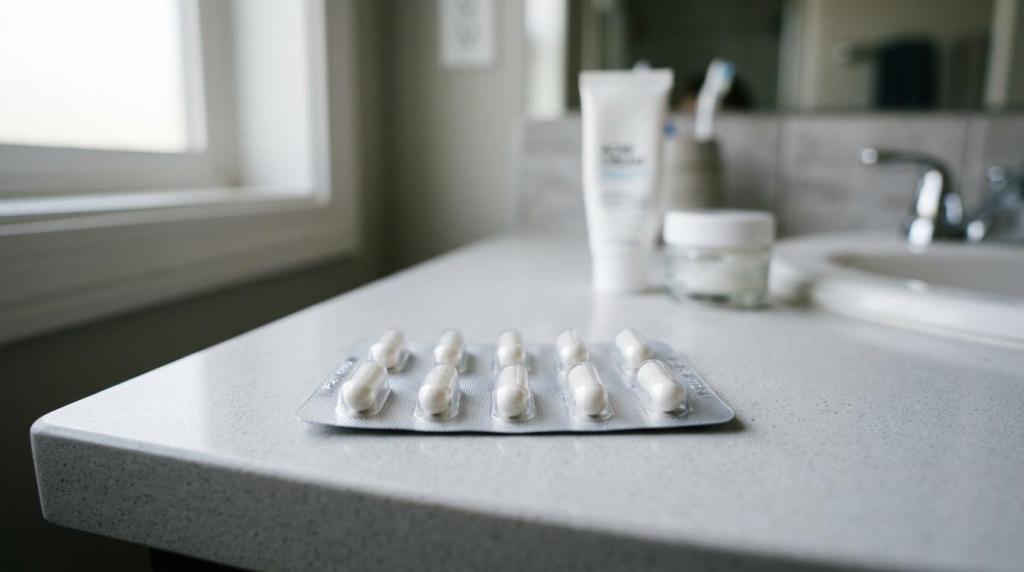
Acne rarely responds to a single, one-size-fits-all product. Breakouts develop from a mix of clogged pores, oil production, inflammation, and acne-causing bacteria, so treatment often works best when it addresses more than one cause at the same time.
That is why many acne plans use creams and pills in a stepwise way. A topical medicine may be enough for mild acne. More inflamed or widespread acne may call for a pill plus a cream. Severe, treatment-resistant acne may need a much stronger prescription under close medical supervision. The encouraging part is that this approach is well established, and it gives people a practical path instead of guesswork.
How acne creams and pills fit into an acne treatment plan
Dermatology guidance generally starts with topical treatment, then moves to oral antibiotics if needed, and reserves isotretinoin for the most severe or stubborn cases. This structure matters because it helps match the medication strength to the kind of acne on the skin.
Using more than one acne medication is common, not a sign that treatment is failing. Different medicines target different parts of the acne process, so combination therapy often makes more sense than relying on a single product.
| Treatment type | What it mainly targets | When it is commonly used | Key point to remember |
|---|---|---|---|
| Benzoyl peroxide | Acne-causing bacteria, inflammation support | Mild to moderate acne, often in wash or gel form | Often paired with antibiotics |
| Topical retinoids, including adapalene | Clogged pores and new comedones | First-line treatment for many acne patterns | Can increase sun sensitivity |
| Topical antibiotics | Inflamed lesions | Usually as part of combination treatment | Should be used with benzoyl peroxide |
| Oral antibiotics | Deeper inflammation and more widespread acne | Moderate to severe inflammatory acne | Usually not meant as long-term solo treatment |
| Oral isotretinoin | Severe nodular or treatment-resistant acne | When standard therapy has not worked | Strict pregnancy safety controls in the U.S. |
The table makes one thing clear: acne care is usually built in layers. A cream may open the door, a pill may calm a difficult flare, and maintenance treatment helps keep gains in place.
Common acne creams: benzoyl peroxide, retinoids, and topical antibiotics
Topical treatment sits at the center of acne care because it can be effective on its own and because it supports stronger therapy when pills are added later. The American Academy of Dermatology notes that more than one topical medication may be used in the same plan, since each medicine tackles a different cause of acne.
The most common categories are easy to recognize once you know what each one is meant to do.
- Benzoyl peroxide
- Retinoids, including adapalene
- Topical antibiotics
Benzoyl peroxide supports combination acne treatment
Benzoyl peroxide is a staple because it reduces acne-causing bacteria and works well with other medicines that target clogged pores or inflammation. It is often part of a cream, gel, or cleanser, and it appears in both over-the-counter and prescription routines.
One of its biggest advantages is its role alongside antibiotics. Dermatology sources consistently recommend pairing benzoyl peroxide with topical or oral antibiotics to help reduce antibiotic resistance. That pairing is not just a detail. It is a smart strategy that helps preserve how well antibiotic treatment works.
Adapalene and other retinoids target clogged pores
Retinoids are among the most useful acne creams because they work on the pore-clogging process that starts many breakouts. Adapalene is a familiar example, and it is often part of long-term acne control.
Retinoids are also strong maintenance medicines. Once an inflamed flare is quieter, a retinoid may help keep new acne from forming and reduce the need to return to stronger medicines later.
Mayo Clinic notes that topical retinoids can increase sun sensitivity, so sunscreen and thoughtful daytime skin care matter. These medicines are also often used in the evening, while another acne product may be used in the morning.
Topical antibiotics need a partner
Topical antibiotics can help with inflamed acne, but they should not be used alone. When a topical antibiotic is part of a treatment plan, dermatology guidance recommends using it with benzoyl peroxide.
That pairing reflects a larger truth about acne care: the best cream is often not one cream, but the right combination.
When acne pills are added: oral antibiotics and short-term control
Oral antibiotics are often used when acne is more inflamed, covers a larger area, or has not responded enough to topical treatment alone. Common options include doxycycline and erythromycin. These medicines can reduce bacteria on the skin and lessen inflammation, which is why they can make a visible difference in moderate to severe inflammatory acne.
Even so, oral antibiotics work best as part of a combined plan. Benzoyl peroxide or adapalene may be used along with an antibiotic, and some routines use an antibiotic in the morning with a retinoid in the evening during the first few months. That setup gives the treatment plan both speed and staying power.
A strong oral antibiotic plan usually has a clear purpose and a clear exit. After the flare improves, maintenance treatment can help hold results and reduce the need for another round of antibiotic therapy.
- Best fit: inflamed acne, widespread acne, or breakouts that are not settling with creams alone
- Usually paired with: benzoyl peroxide, adapalene, or another topical medicine
- Main goal: gain control, then transition to maintenance instead of staying on antibiotics as the long-term answer
This is one of the most hopeful parts of modern acne care. Pills do not replace creams. They often create a window where topical treatment can take over more effectively.
Isotretinoin for severe acne: when stronger treatment is appropriate
Isotretinoin is in a different category from standard acne creams and antibiotics. It is usually reserved for severe acne, especially nodular acne, or acne that has resisted adequate courses of topical therapy and systemic antibiotics. In the U.S., it is approved for patients age 12 and older who are not pregnant and whose severe acne has not cleared with other treatments.
That level of selectivity is intentional. Isotretinoin can be highly effective, but it is not meant to be a casual first step. It is a prescription option for acne that has proven unusually persistent or severe.
The biggest safety issue is pregnancy. Isotretinoin is highly teratogenic, meaning it can cause severe birth defects. Because of that risk, it is dispensed only through the iPLEDGE REMS restricted program in the United States. FDA information also states that pre-treatment pregnancy tests must be completed in a medical setting before treatment begins.
For patients who can become pregnant, the safeguards are strict and non-negotiable. That does not make isotretinoin a bad option. It means the risk is serious enough to require a tightly controlled process.
People considering isotretinoin should expect a detailed conversation with a prescriber about eligibility, monitoring, side effects, and pregnancy prevention requirements. When severe acne has not responded to standard treatment, that conversation can open the door to an option that is far more powerful than ordinary creams or pills.
Acne treatment timelines and maintenance therapy
One of the easiest ways to get frustrated with acne treatment is to expect overnight change. Most acne medications need weeks, not days, to show a meaningful result.
A treatment plan may also shift over time. Early control might include a pill and a cream together. Later, maintenance may rely mostly on topicals. The American Academy of Dermatology notes that continuing maintenance acne treatment can reduce the need for stronger medicine, including antibiotics.
Stopping as soon as the skin looks better is one of the fastest ways to lose ground.
This is where retinoids and benzoyl peroxide often earn their place. They can support long-term control after an oral antibiotic has done its job, and they help turn acne care from crisis management into a steadier routine.
Practical questions to ask before starting acne medication
A good acne prescription is not only about the drug name. It is also about timing, duration, monitoring, and how products fit together. A short conversation up front can prevent weeks of confusion later.
- How long should this treatment be used before judging results?
- Which product goes on in the morning and which goes on at night?
- If an antibiotic is prescribed: should benzoyl peroxide be used with it?
- If a retinoid is prescribed: what sun protection habits matter most?
- If isotretinoin is being discussed: what pregnancy-related safety steps and monitoring rules apply?
For adults comparing prescription and generic acne medications online, this kind of clarity matters. It helps separate short-term control from long-term maintenance, makes product choices more intentional, and supports safer decisions when stronger treatments enter the picture.