Work Hours
Monday to Friday: 7AM - 7PM
Weekend: 10AM - 5PM

Dry Eye Drops vs Allergy Eye Drops

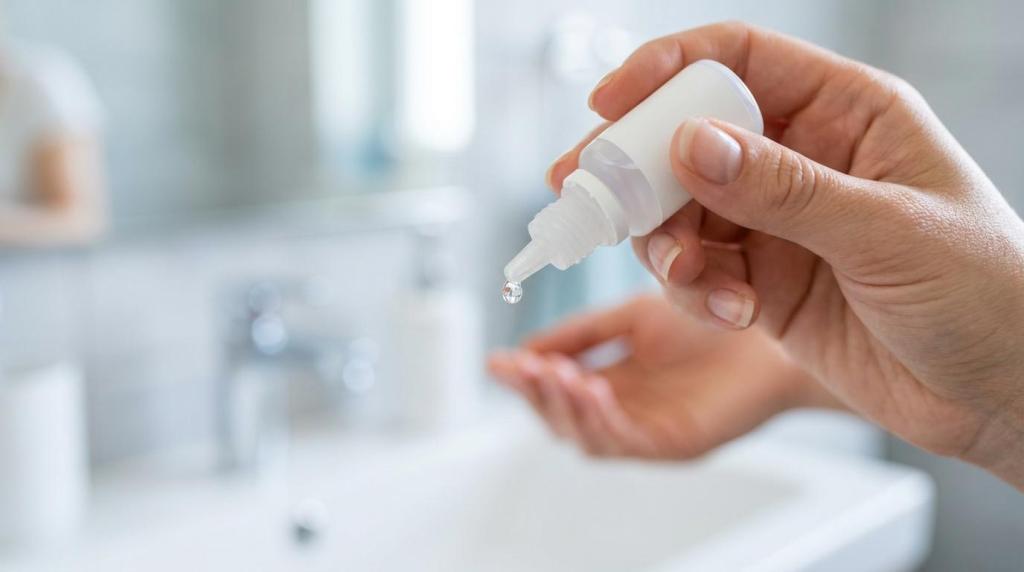
Red, irritated, watery eyes can feel deceptively similar from one cause to the next. That is why many people stand in the pharmacy aisle looking at nearly identical bottles and wondering whether a lubricating drop, an antihistamine drop, or a redness reliever makes the most sense.
The short answer is simple: dry eye drops and allergy eye drops are not the same tool. One is mainly meant to support the tear film and reduce surface irritation. The other is meant to calm an allergic reaction in the eye, especially itching and redness linked to histamine release. Choosing the right one can bring faster relief and help you avoid making symptoms worse.
Dry eye drops and allergy eye drops treat different eye problems
Dry eye usually happens when the eyes do not make enough tears or when tears evaporate too quickly. In that situation, the eye surface loses moisture and stability. The typical treatment focus is lubrication. That is why artificial tears, lubricating gels, and ointments are common first-line options.
Eye allergies, often called allergic conjunctivitis, are different. They are triggered by allergy-causing substances in the environment, including pollen, dust mites, pet dander, and mold. In that case, the goal is to reduce the allergic response. That is where antihistamine drops, mast cell stabilizer drops, or some combination products fit in.
That distinction matters because some allergy drops can make dry eyes feel worse, especially if they include a decongestant or vasoconstrictor ingredient and are used too often.
After that basic split, the comparison becomes much easier:
| Feature | Dry eye drops | Allergy eye drops |
|---|---|---|
| Main purpose | Lubricate and protect the eye surface | Reduce allergy-related itching, redness, and irritation |
| Common ingredients | Artificial tears, lubricants, thicker gels or ointments | Antihistamines, mast cell stabilizers, sometimes vasoconstrictors |
| Best for | Burning, grittiness, fluctuating vision, dryness | Itching, watery eyes, seasonal triggers, allergy-related redness |
| Possible drawback | Temporary blur with thicker products | Some products may dry the eyes or cause rebound redness with overuse |
| Typical availability | Over the counter and prescription options | Over the counter and prescription options |
CDC guidance supports this split well. Artificial tears can help relieve dryness and irritation, while allergic conjunctivitis may respond to allergy medications and certain eye drops, including topical antihistamine and vasoconstrictor products.
Dry eye symptoms vs allergy eye symptoms
The hardest part is that both conditions can make the eyes red and uncomfortable. Still, the pattern often gives clues.
Dry eye tends to feel gritty, tired, burning, or stinging. Some people notice blurry vision that improves after blinking. Others feel like something is in the eye even when nothing is there. Wind, screens, air conditioning, and long reading sessions often make it worse.
Allergy-related irritation usually comes with itching. That symptom is a major clue. Tearing can be heavy, and symptoms may flare during pollen season or after exposure to pets, dust, or mold. Swelling around the eyes can also point toward allergy rather than plain dryness.
If you are sorting through symptoms at home, these patterns can help:
- Burning or gritty sensation
- Itching that makes you want to rub your eyes
- Symptoms that worsen with screen time
- Symptoms that flare around pollen, pets, or dust
- Watery eyes with seasonal timing
- Blurry vision that clears after blinking
Real life is not always cleanly divided, though. A person can have dry eye and allergies at the same time. In mild allergic conjunctivitis, artificial tears alone may help wash allergens from the eye surface and calm irritation. If itching is strong or keeps returning, targeted allergy treatment may be a better fit.
What dry eye drops do best
Dry eye drops are designed to supplement the tear film. Artificial tears add moisture, reduce friction on the eye surface, and can make blinking more comfortable. For many people, this is the first product to try when the eyes feel dry, scratchy, or strained.
The texture matters. Regular artificial tears are lighter and usually easier to use during the day. Gels are thicker and often last longer. Ointments are thicker still and are often saved for nighttime because they can blur vision. Official NHS and hospital guidance also lists gels and ointments as common dry-eye options, not just standard drops.
The goal is support, not allergy suppression. These products do not block histamine. They do not work like redness relievers. They are there to coat and protect a compromised ocular surface.
That is why dry eye drops are often the better choice when the main complaint is comfort rather than itch.
Some people do best with a simple approach:
- Artificial tears during the day
- Gel drops when symptoms are more persistent
- Ointment at bedtime for overnight dryness
- Cold compresses when inflammation and irritation rise
If symptoms are frequent, it is worth paying attention to how often you need the drops and whether the relief is brief. Persistent dry eye can have several causes, and repeating the wrong product all day rarely solves the bigger issue.
What allergy eye drops are made to target
Allergy eye drops are built for a different task. They target the chemical signals behind allergic conjunctivitis, especially histamine-related itching, tearing, and redness.
Over-the-counter and prescription allergy drops may contain antihistamines, mast cell stabilizers, or both in one product. According to academic and clinical sources, combination antihistamine and mast cell stabilizer drops can provide fast symptom relief and ongoing control. When itching is intense, these are often more useful than plain lubricating drops.
Some allergy drops also include a decongestant, sometimes called a vasoconstrictor. These can make the eyes look less red for a short time by narrowing surface blood vessels. That sounds appealing, but it comes with tradeoffs.
Here is the practical difference between common allergy-drop categories:
- Antihistamine drops: Calm itching and other allergy symptoms fairly quickly
- Mast cell stabilizer drops: Help prevent or limit allergy flare-ups over time
- Combination drops: Offer faster relief plus longer control in one bottle
- Decongestant or vasoconstrictor drops: Reduce redness temporarily but are not a long-term answer
For mild allergy symptoms, artificial tears may still help by flushing allergens from the eye and adding comfort. CDC guidance also points to allergen removal as part of treatment. If the eye irritation began after mowing the lawn, cleaning a dusty room, or sitting with a cat, reducing exposure matters almost as much as the bottle you choose.
Why some allergy drops can worsen dryness
This is where the comparison becomes especially useful. MedlinePlus notes that some over-the-counter antihistamine or decongestant eye drops can dry the eyes. So a person who already has a weak tear film may feel short-term relief followed by more irritation.
Decongestant drops deserve extra caution. Used for too many days in a row, they can lead to rebound congestion or rebound redness. The blood vessels re-expand, the eyes look red again, and people are tempted to keep using the drops. MedlinePlus advises not using decongestant eye drops for more than five days because of this risk.
If your main problem is dryness, a redness-relief drop is often the wrong match.
Contact lenses, eye drop hygiene, and contamination prevention
Contact lenses can complicate both dry eye and allergy symptoms. Lenses may trap allergens against the eye surface, add friction, and make irritation feel more intense. If your eyes are red, itchy, or unusually dry, removing the lenses is often a smart first step.
This is also one of the clearer safety points from public health guidance. People with a red eye who wear contact lenses should take symptoms seriously. The NHS advises urgent care when the eye is painful and red, or when there is a red eye in a contact lens wearer. That is a useful threshold to remember.
Drop technique matters more than many people realize. The FDA advises washing your hands before using eye drops and keeping the bottle tip from touching the eye, fingers, clothing, or any surface. That helps lower the risk of contamination. Hospital dry-eye guidance gives the same advice about avoiding contact between the nozzle and the eye.
Good habits make a real difference:
- Wash hands first: Reduce the chance of transferring germs to the eye or bottle
- Do not touch the tip: Contact with skin or lashes can contaminate the medication
- Remove contact lenses: Especially if the label advises it or the eyes are irritated
- Use the right bottle for the right problem: Lubricants for dryness, allergy drops for itching and allergic flares
- Stop using a product that stings sharply or worsens symptoms: Recheck the label and seek advice if needed
Eye drops are sold over the counter and by prescription, but over-the-counter access does not mean every bottle is appropriate for every red eye. Persistent symptoms deserve a closer look.
When eye symptoms need medical care instead of self-treatment
Some symptoms should move you out of the self-care lane quickly. Pain, significant redness, worsening vision, light sensitivity, or a red eye in a contact lens wearer can signal something more serious than simple dry eye or routine allergy irritation.
That matters because not every eye problem has an over-the-counter fix. FDA guidance points out that some eye diseases do not have OTC treatments at all. If symptoms keep returning, if the wrong drop seems to help only briefly, or if the diagnosis feels uncertain, an eye care professional can sort out whether you are dealing with dry eye, allergy, infection, or another cause.
A smart starting point is to match the drop to the dominant symptom. Dryness, burning, and grittiness usually point toward artificial tears or lubricating products. Intense itching and allergy triggers suggest antihistamine or related allergy drops. And if you are tempted by a redness reliever, treat it as a short-term option, not a daily habit.